from the Journal of Agriculture, Food Systems, and Community Development |
|
|
JAFSCD is the world’s only community-supported journal. JAFSCD content is open access (free) thanks to the generous support of our shareholders: the JAFSCD Shareholder Consortium, Library Shareholders, a growing number of Individual Shareholders, and our JAFSCD Partners: |
|
|
JAFSCD peer-reviewed article by Esteve G. Giraud (Swette Center for Sustainable Food Systems at Arizona State U), Elora Bevacqua (Swette Center for Sustainable Food Systems at Arizona State U), Madeline Mercer (City of Tempe), Nicholas Benard (Swette Center for Sustainable Food Systems at Arizona State U), Priya Nayak (Swette Center for Sustainable Food Systems at Arizona State U), Tawsha Trahan (Unlimited Potential), and Kathleen A. Merrigan (Swette Center for Sustainable Food Systems at Arizona State U)
While the U.S. confronts a loneliness epidemic, cities are also grappling with rapid growth, land constraints, water management, and persistent food insecurity. Urban agriculture is increasingly recognized for its potential to support a culture of care and connection, community well-being and resilience, environmental stewardship, and democratic participation. Yet many municipalities struggle to authentically engage their residents, especially food-insecure populations, in food policy design. This challenge is especially pronounced in early food planning, which is essential to move beyond small, isolated projects and toward more coordinated and policy-supported urban agriculture systems.
Responding to these challenges, a new article, Scaling up urban agriculture in Tempe, AZ: a participatory planning case for early urban food policy, the authors present a participatory planning case study from Tempe, Arizona. The paper examines how a community-led process—designed to engage food-insecure residents who are often excluded from formal planning—helped identify shared priorities and lay the groundwork for early urban food policy aimed at scaling urban agriculture in a rapidly growing, land-constrained city. Drawing on stakeholder interviews, facilitated workshops, and collaborative analysis, the study contributes empirical insights into how inclusive planning processes can shape the direction and scope of early urban agriculture policy development.
Corresponding author Estève Giraud can be contacted at egiraud@asu.edu. KEY FINDINGS The community co-developed five strategies to strengthen food autonomy:
Urban ag in Tempe remains in an early, fragmented stage, largely driven by grassroots and individual efforts but with a growing institutional coordination and engagement. The participatory planning process produced a shared set of community-defined priorities for urban agriculture, reflecting the perspectives of over 400 residents, and including growers, nonprofit organizations, and local institutions.
Early-stage participatory processes supported by trusted intermediaries can generate concrete inputs and actionable policy direction before formal food governance mechanisms are in place, helping cities transition from isolated projects toward coordinated urban agriculture systems. In this case, community engagement activities—including surveys, interviews, and multilingual workshops—resulted in 10 community-informed recommendations to scale up urban agriculture in the city.
Community health workers trained in community-building leadership are key allies to municipalities, grassroot organizations, and research institutions in recruiting and engaging food-insecure residents in participatory food planning efforts, particularly in multilingual and low-income neighborhoods.
RECOMMENDATIONS FOR POLICY, PRACTICE, AND RESEARCH For policy: -
Invest in early-stage and inclusive participatory food planning, even in the absence of formal food governance processes, to establish shared priorities and policy direction. In this case study, these include creating a food action plan, growing food in public spaces, collaborating with neighboring cities successful food programs, build networks for technical assistance for individuals and school gardens, support workforce development, facilitate water access, and center equity and indigenous knowledge.
- Integrate urban agriculture to municipal strategic priorities with clearly articulated goals and implementation metrics to their performance measure.
-
Support institutional coordination for urban agriculture, including dedicated staff roles or cross-departmental mechanisms to improve communication, continuity, and access to resources.
For practice: -
Design participatory processes that reduce barriers to participation, including language access, proximity, flexible scheduling, childcare, food provision, cooking demonstrations, pictures, and support various expression styles (oral, drawing, writing, moving, stickers, etc).
-
Integrate policy literacy training to planning workshops to increase feelings of political self-efficacy over time and strengthen inclusive public exchange.
-
Partner with trusted community-based organizations and intermediaries such as community health workers to engage residents who are often excluded from formal planning processes, particularly those experiencing food insecurity.
-
Do not underestimate the importance of communication and logistics. Develop clear engagement materials such as facilitator guides, run of show, lists of materials, and host preplanning meetings to facilitate coordination between organizers.
For research: - Further explore how participatory urban agriculture planning intersects with broader civic challenges, including social isolation, trust in institutions, and community resilience.
-
Document early-stage food and urban agriculture planning processes, particularly in cities without established food governance structures, to address gaps in the literature. Conduct comparative studies to better understand how these processes shape agendas and priorities under different governance and resource conditions.
-
Empirically examine how participatory planning processes function as potential accelerators in the early phases of scaling up urban agriculture, to better understand how cities transition from individual- and grassroots-driven efforts toward more institutionalized forms of support.
SHARE ON YOUR SOCIALS How can cities design urban agriculture with food-insecure residents—before formal food policy and governance even exist?
A new case study from Tempe, Arizona, shows how community-led planning, supported by trusted local partners, helped surface shared priorities and lay the groundwork for early urban food policy in a fast-growing, land-constrained, and water-restricted city. By centering food-insecure residents early in the process, the research highlights how cities can move beyond fragmented projects toward more coordinated, inclusive urban agriculture systems.
Read the full @JAFSCD article for free: https://doi.org/10.5304/jafscd.2026.152.026 |
|
|
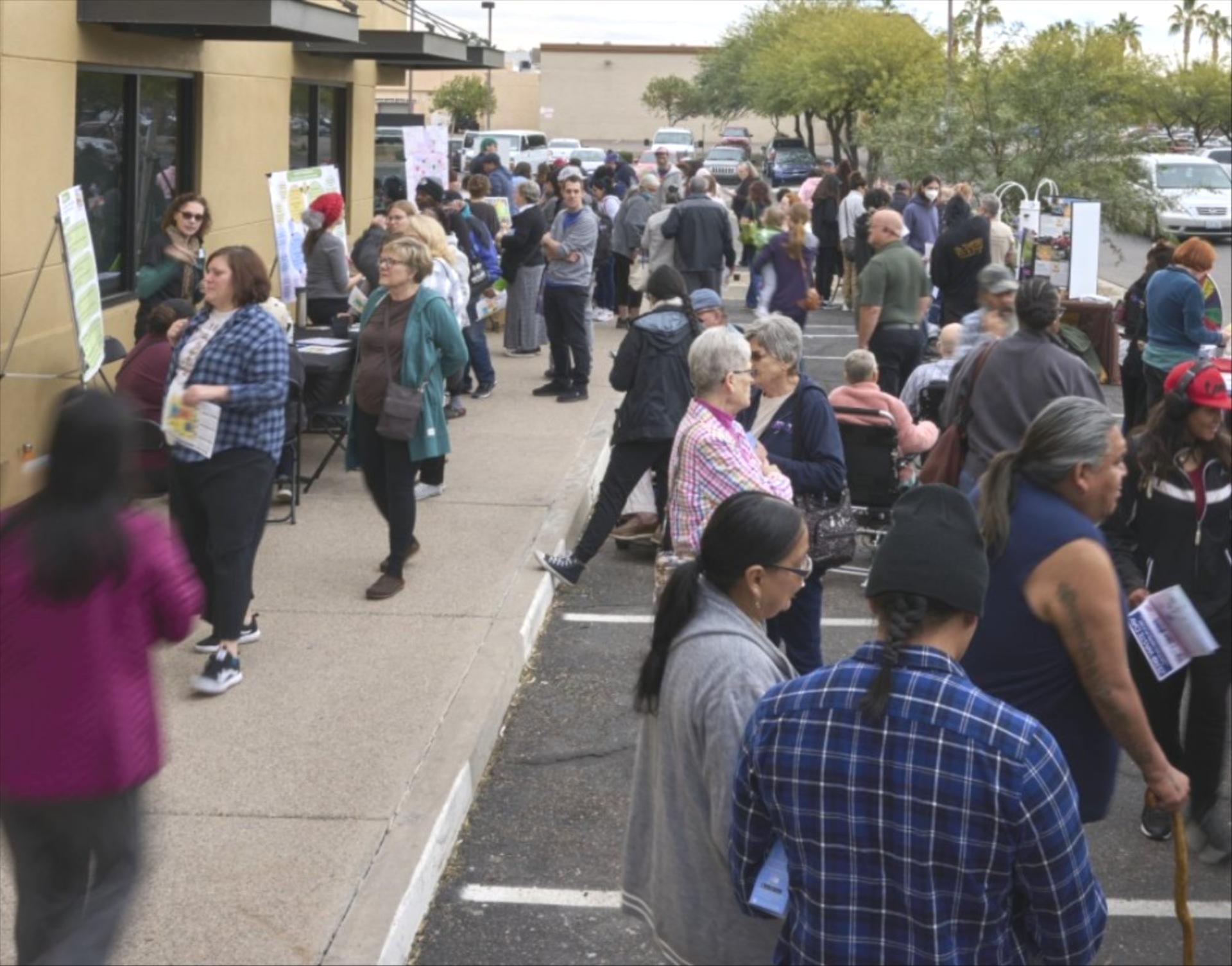
Photo above: Over 350 residents engaged with the policy recommendations and local food organizations in Tempe, Arizona, and received produce, plants, compost and seeds. Photo provided by the authors. |
|
|
EVENT FROM A KINDRED ORGANIZATION |
|
|
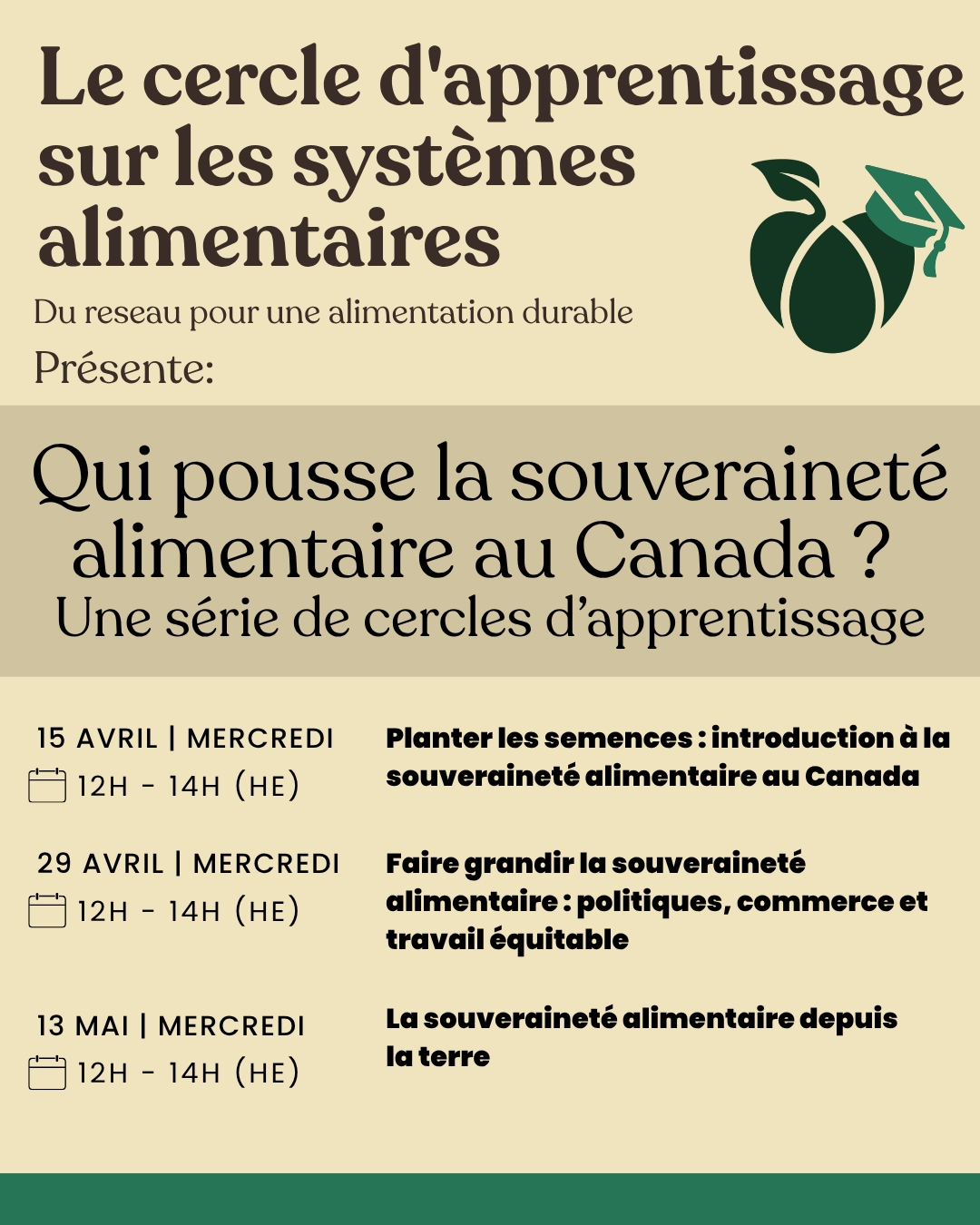
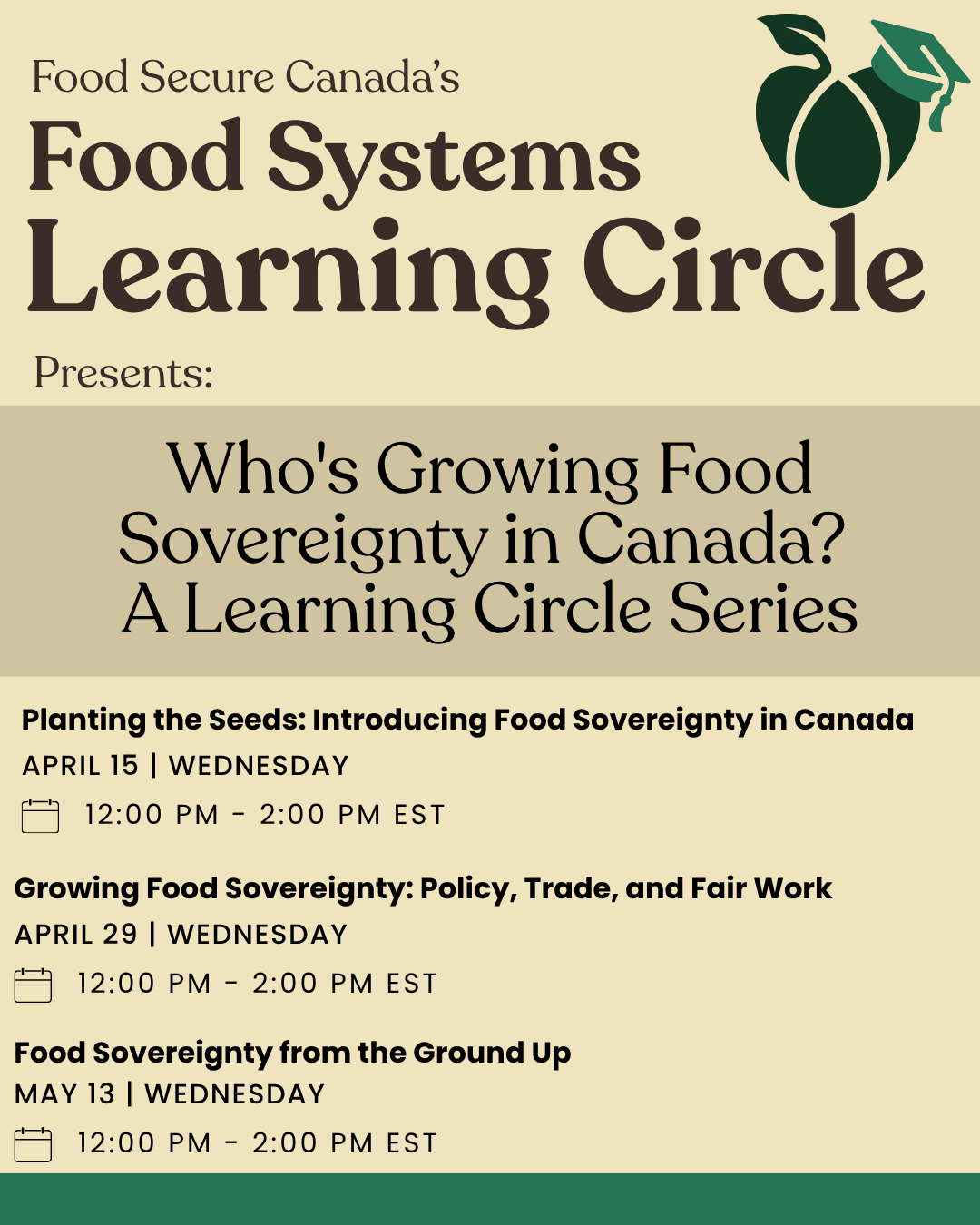
Who's Growing Food Sovereignty in Canada?
Join Food Secure Canada for a new workshop series
Food Secure Canada is launching the Food Systems Learning Circle with a three-part online workshop series: Who's Growing Food Sovereignty in Canada? |
|
|
Workshop 1 — Planting the Seeds: Introducing Food Sovereignty in Canada Wednesday, April 15 | 12:00–2:00 PM ET
Workshop 2 — Growing Food Sovereignty: Policy, Trade, and Fair Work Wednesday, April 29 | 12:00–2:00 PM ET - Workshop 3 — Food Sovereignty from the Ground Up Wednesday, May 13 | 12:00–2:00 PM ET
Speakers include Raj Patel (U of Texas, Austin), Celeste Smith (National Farmers Union), Chris Ramsaroop (Justicia for Migrant Workers), Toyin Kayo-Ajayi (Canadian Black Farmers Association), Tabitha Robin (UBC), Joseph LeBlanc (NOSM University), Geneviève Lalumière (Union Paysanne), and Cathy Holtslander (National Farmers Union).
Sessions are held online in English with French interpretation. Recordings will be available to all registered participants. Pricing: - Single session: $60 standard | $30 student/unwaged | $15 solidarity
- Full series: $150 standard | $70 student/unwaged | $40 solidarity
No one will be turned away for lack of funds. If cost is a barrier, please reach out before registering.
Register here |
|
|
ANNOUNCEMENT FROM JAFSCD PARTNER UVM |
|
|
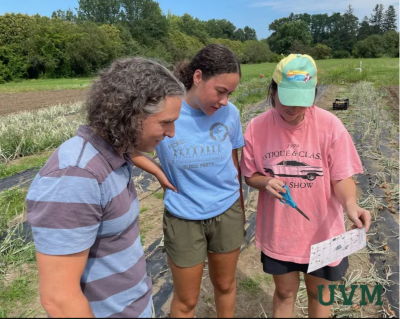
The University of Vermont launches fully online
Master of Science in Agroecology
Designed for professionals already working in food systems who want to deepen their practice without leaving their communities, the program was created by the UVM Department of Agriculture, Landscape & Environment and the UVM Institute for Agroecology, shaped by conversations with farmers, organizers, policymakers, and students who emphasized that transforming food systems requires new ways of learning and collaborating.
Applications for the first cohort are due July 15, 2026.
Find out more by attending an upcoming webinar:
Agroecology at UVM: Cultivating a Thriving Planet through Knowledge and Action
Thursday, April 9 | 4:00 PM to 5:30 PM EDT | Virtual or in-person
Read a story about the program — First-of-its kind Master's in Agroecology at UVM — and get more info at LinkedIn, Instagram, and Facebook.
|
|
|
JAFSCD SHAREHOLDER'S EVENT |
|
|
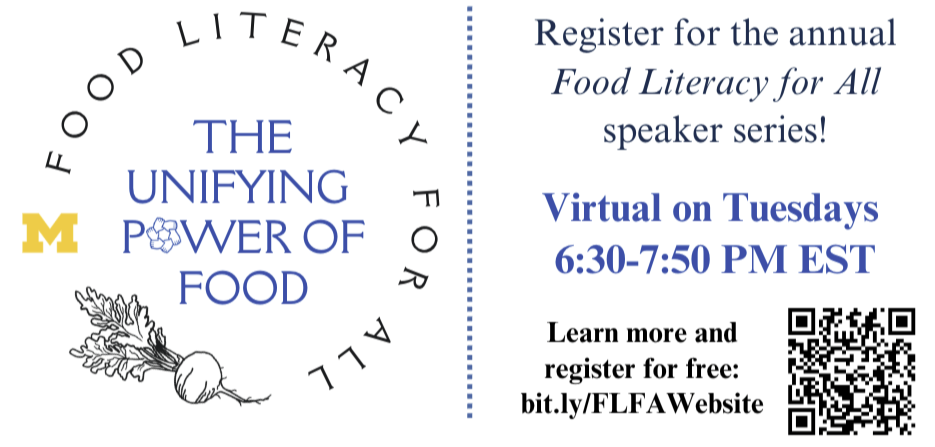
Food Literacy for All is a community-academic partnership course at the University of Michigan, now in its 10th year.
From January to April, Food Literacy for All features a dynamic session each Tuesday evening (6:30-7:50 pm ET) that addresses the challenges and opportunities of diverse food systems. All sessions are on Zoom and recordings are shared afterward.
Upcoming sessions: - April 7: The Farmers Land Trust and the Farmland Commons: A New Model for Land Access, Ownership & Tenure
-
April 14: Fast Food for Thought with Ten UM Faculty 5-minute Flash Talks (hybrid event)
- April 21: Course Reflection
See the schedule and register for free as a community member on the website. Registration is rolling, so you can sign up anytime and attend the sessions that interest you. Register once and received reminders of each week's webinar.
|
|
|
|
Following up on the 7th JAFSCD Community Annual General Meeting on March 18, notes and links to the recording and slide deck are here. We welcome you to catch up on JAFSCD's activities and community news!
|
|
|
This email is sent to you as a notification of the newest JAFSCD articles and other occasional JAFSCD news. |
|
JAFSCD is an open access, community-supported journal! Your library, program, or organization can become a shareholder to help keep JAFSCD's content available to all, regardless of their resources. We welcome anyone to become an individual shareholder; donations are tax-deductible to the extent allowed by law.
|
|
|
|