from the Journal of Agriculture, Food Systems, and Community Development |
|
|
JAFSCD is the world’s only community-supported journal. JAFSCD content is open access (free) thanks to the generous support of our shareholders: the JAFSCD Shareholder Consortium, Library Shareholders, a growing number of Individual Shareholders, and our JAFSCD Partners: |
|
|
| CSA-based produce prescriptions for South Dakota
JAFSCD peer-reviewed article by Gemma Bastian (South Dakota State U), Sarah Lane (U of South Dakota Sanford School of Medicine), Haley McMahon (U of South Dakota Sanford School of Medicine), Olivia Husmann (South Dakota State U), and Evangeline Schumacher (South Dakota State U) |
|
|
Researchers evaluate the impacts of a pilot produce prescription program involving community supported agriculture
One in eight South Dakotans faces food insecurity, which increases their risk of diet-related chronic disease. In partnership with South Dakota State University (SDSU) Extension, the Dakota Food Rx program was piloted in 2024 to enroll patients in Western South Dakota facing food insecurity and chronic disease to community-based agriculture shares featuring vegetables grown with organic and regenerative practices.
In a new JAFSCD article, A community supported agriculture produce prescription pilot in the Northern Black Hills: Dakota Food Rx, authors Gemma Bastian, Sarah Lane, Haley McMahon, Olivia Husmann, and Evangeline Schumacher present findings from a mixed methods evaluation of the Dakota Food Rx pilot that evaluated the program’s impact on the producers, healthcare providers, and patients involved.
Corresponding author Gemma Bastian can be contacted at gemma.bastian@sdstate.edu. KEY FINDINGS
Dakota Food Rx Patients reported improved food security and improved belongingness in their community due to strengthened relationships.
Patients reported in qualitative interviews that they improved the quality of their diet, but these results were not supported by the quantitative findings.
All Dakota Food Rx participants reported areas for improvement, including enrolling pediatric patients into the program and requesting increased communication from the SDSU Extension staff who managed the program.
RECOMMENDATIONS FOR POLICY, PRACTICE, AND RESEARCH
Patient engagement in this study was lacking, and future evaluations could involve more rapport building by program staff to increase engagement. More specific measures of diet improvement, like food frequency questionnaires, could better quantify the program’s impacts. Incorporating local producers in produce prescription programs can improve patient belongingness through improved relationships, which can help mitigate the loneliness experienced by chronic disease patients.
SHARE ON YOUR SOCIALS
Can using CSA produce prescriptions improve how patients feel belonging in their community? This study, from researchers at South Dakota State University and the University of South Dakota Sanford School of Medicine, says "maybe." Read the full @JAFSCD article for free: https://doi.org/10.5304/jafscd.2026.152.014
#CSA #ProducePrescription #SDState |
|
|
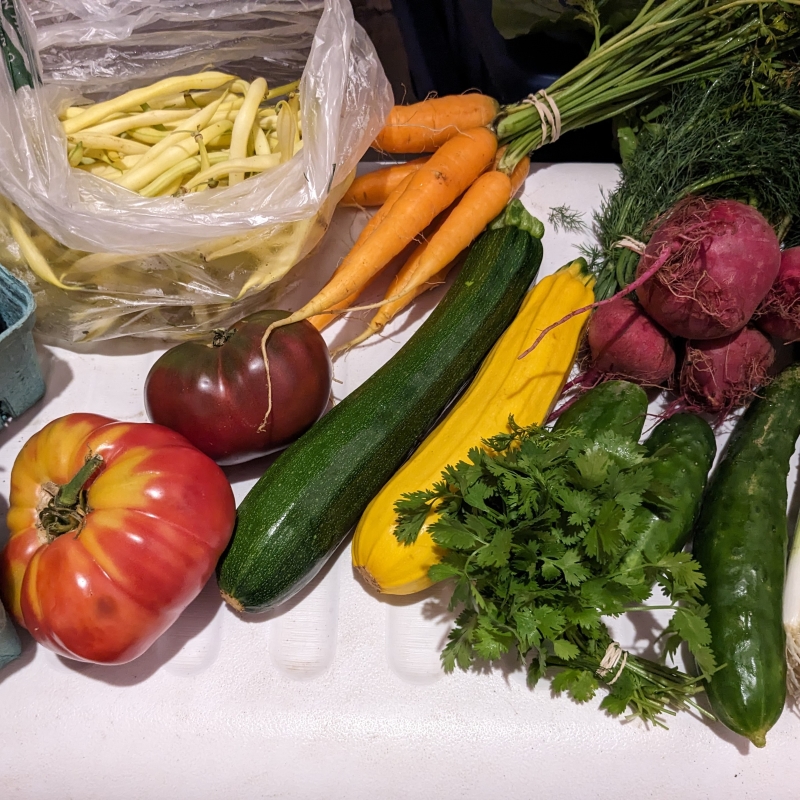
Photo above: A selection of community supported agriculture (CSA) produce available to Dakota Food Rx patients. Photo provided by the authors. |
|
|
From the review:
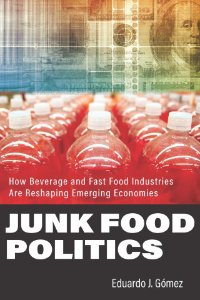
"In Junk Food Politics, Eduardo J. Gómez asks a clear and urgent question: why do these diseases increase despite stated government commitments to control them? Gómez argues that the dominant explanation is incomplete. Public discussion often frames obesity as a consequence of lifestyle change, modernization, or poor individual choices. In contrast, this book shifts attention from personal behavior to political and economic structures. The rise of diet-related diseases is not only about what people choose to eat. It is also about how global trade, investment regimes, and state-level decisions shape food environments. . . . Gómez’s analysis resonates with the food politics tradition associated with scholars such as Marion Nestle, who documented industry influence on nutrition policy in the U.S. Gómez extends this lens to emerging economies, situating similar dynamics within processes of economic liberalization and institutional constraint."
Read the entire book review for free at JAFSCD: https://doi.org/10.5304/jafscd.2026.152.035 |
|
|
|
Following up on the 7th JAFSCD Community Annual General Meeting on March 18, notes and links to the recording and slide deck are here. We welcome you to catch up on JAFSCD's activities and community news!
|
|
|
ANNOUNCEMENT FROM JAFSCD PARTNER UVM |
|
|
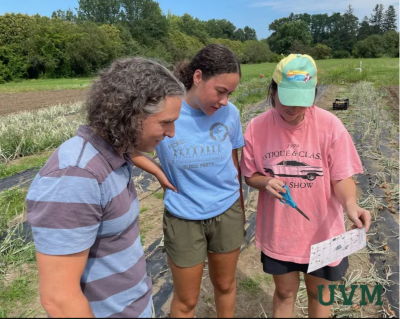
The University of Vermont launches fully online
Master of Science in Agroecology
The program, the first of its kind in the U.S., was designed for professionals already working in food systems who want to deepen their practice without leaving their communities. It was created by the UVM Department of Agriculture, Landscape & Environment and the UVM Institute for Agroecology, shaped by conversations with farmers, organizers, policymakers, and students who emphasized that transforming food systems requires new ways of learning and collaborating.
Students will engage in core courses in agroecology, participatory action research, and food sovereignty, and complete a master’s project that integrates ecological, social, and political dimensions of agroecology. The program’s faculty bring extensive experience in community?engaged research, social transformation, and global movement work. Applications for the first cohort are due July 15, 2026. Find out more by attending a webinar:
Agroecology at UVM: Cultivating a Thriving Planet through Knowledge and Action
Thursday, April 9 | 4:00 PM to 5:30 PM EDT | Virtual or in-person
Read a story about the program — First-of-its kind Master's in Agroecology at UVM benefits from close ties to UVM's Institute for Agroecology — and get more info at LinkedIn, Instagram, and Facebook.
|
|
|
JAFSCD SHAREHOLDER'S EVENT |
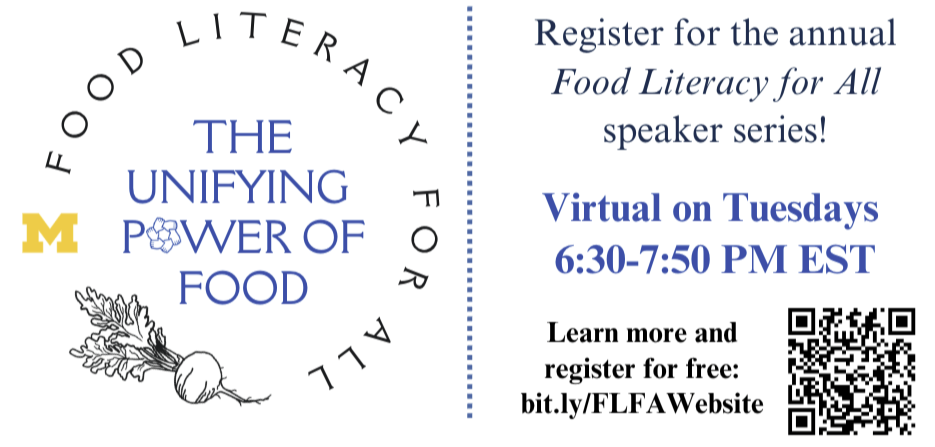
Food Literacy for All is a community-academic partnership course at the University of Michigan, now in its 10th year. From January to April, Food Literacy for All features a dynamic session each Tuesday evening (6:30-7:50 pm ET) that addresses the challenges and opportunities of diverse food systems. All sessions are on Zoom and recordings are shared afterward. Upcoming sessions: -
March 31: Solidarity Kitchens in Brazil: Fighting Hunger and Building Change with Pedro Ferraracio Charbel (chief editor of Jatobá, the social-environmental magazine, and active member of the Homeless Workers Movement and the Socialism and Liberty Party)
-
April 7: The Farmers Land Trust and the Farmland Commons: A New Model for Land Access, Ownership & Tenure
- April 14: Fast Food for Thought with Ten UM Faculty 5-minute Flash Talks (hybrid event)
- April 21: Course Reflection
See the schedule and register for free as a community member on the website. Registration is rolling, so you can sign up anytime and attend the sessions that interest you. Register once and received reminders of each week's webinar.
|
|
|
This email is sent to you as a notification of the newest JAFSCD articles and other occasional JAFSCD news. |
|
JAFSCD is an open access, community-supported journal! Your library, program, or organization can become a shareholder to help keep JAFSCD's content available to all, regardless of their resources. We welcome anyone to become an individual shareholder; donations are tax-deductible to the extent allowed by law.
|
|
| |