from the Journal of Agriculture, Food Systems, and Community Development |
|
|
JAFSCD is the world’s only community-supported journal. JAFSCD content is open access (free) thanks to the generous support of our shareholders: the JAFSCD Shareholder Consortium, Library Shareholders, a growing number of Individual Shareholders, and our JAFSCD Partners: |
|
|
Thank you to the JAFSCD community members who attended the JAFSCD Annual General Meeting on March 18 via Zoom! The recording and resources will be sent out soon to all 80+ attendees. |
| |
|
If you were not able to attend but would like to receive these, please email Amy Christian and we'll send them along! |
|
|
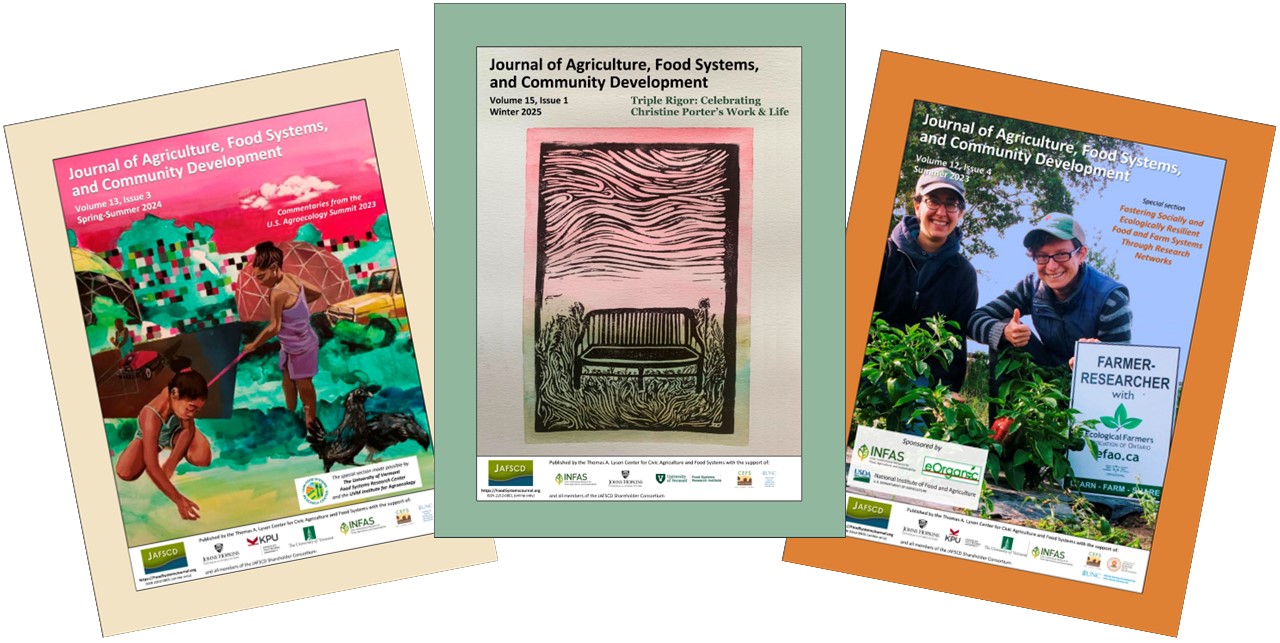
A new viewpoint published in JAFSCD examines how intervention evaluations in behavioral and applied food systems research often overlook the broader systems in which change occurs. This concern resonates with recent discussions in food systems scholarship about how rigor shapes what can be known in complex systems, including the introduction to a special section of articles on triple rigor in JAFSCD’s winter 2025 issue, which highlights the limits of epistemological rigor alone and argues for making space for uncertainty as a condition for more humble and generative knowledge production in complex food systems.
The viewpoint, Measuring change without seeing the system: A call for epistemic humility in intervention evaluation, focuses on nutrition and healthy eating interventions — where success is commonly assessed through short term behavioral outcomes such as changes in food consumption. These evaluations often rest on implicit assumptions that food systems are stable and closed, even though eating behaviors are shaped by income, housing conditions, time constraints, cultural norms, food environments, and policy contexts beyond any single program. Because intervention design embeds assumptions about how systems function, evaluation frameworks tend to follow those assumptions, shaping what can be observed and interpreted as evidence.
Some of these concerns are already being addressed in fields such as systems-informed evaluation, realist evaluation, and implementation research, and the article does not dismiss these efforts. Instead, it highlights a recurring pattern in practice. When evaluation asks only whether consumption changed, learning often stops at labeling success or failure. When evaluation asks under what system conditions change occurred, and for whom, the focus shifts from confirmation to understanding.
SHARE ON YOUR SOCIALS
When food systems are treated as closed, evaluation learning stays narrow. A new @JAFSCD viewpoint article reflects on what intervention evaluations miss. #FoodSystems #Evaluation #SystemsApproach #JAFSCD #TripleRigor Read the JAFSCD article for free: https://doi.org/10.5304/jafscd.2026.152.028
|
|
|
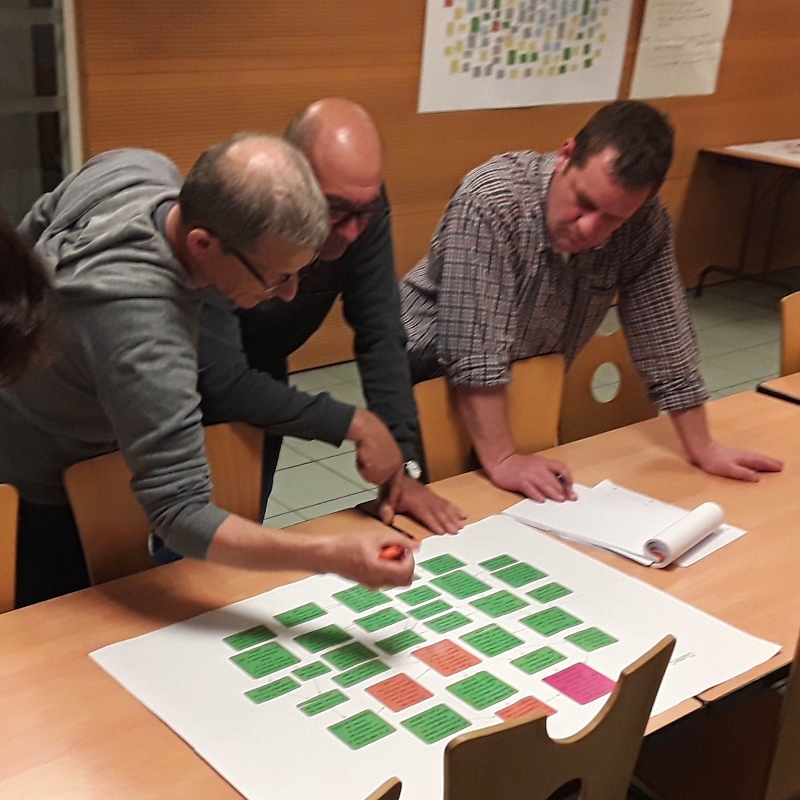
Photo above: Garlic farmers in the Auvergne region of France work together in April 2019 to plan a cooperative marketing federation; photo by Amy Christian. |
|
|
From the review:
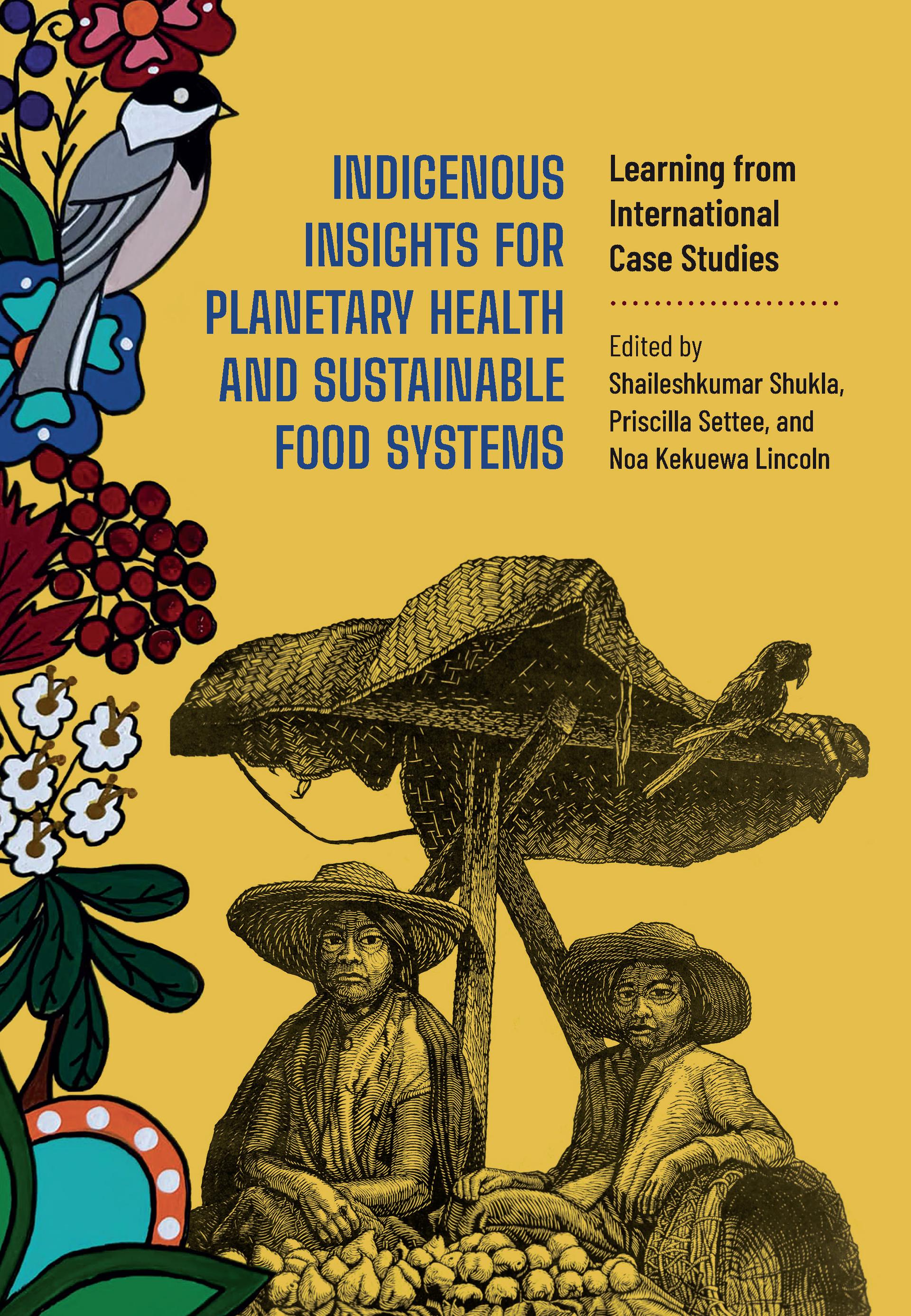
The research and lessons shared in the book are especially timely as we consider the rise in food insecurity, chronic disease rates, malnutrition, health disparities, and extreme weather events and other climate change challenges. The authors show how knowledge-sharing, collaborating between Indigenous communities, celebrating the central role of Indigenous women in food systems, embracing food as medicine, and caring and centering relationships are crucial to a sustainable food system and healthy planet. We must invest the required “time, energy, and responsibility” (p. 245) in these strategies to support a healthy future. …
Read the entire book review, for free, at JAFSCD.
|
| |
JAFSCD SHAREHOLDER'S EVENT |
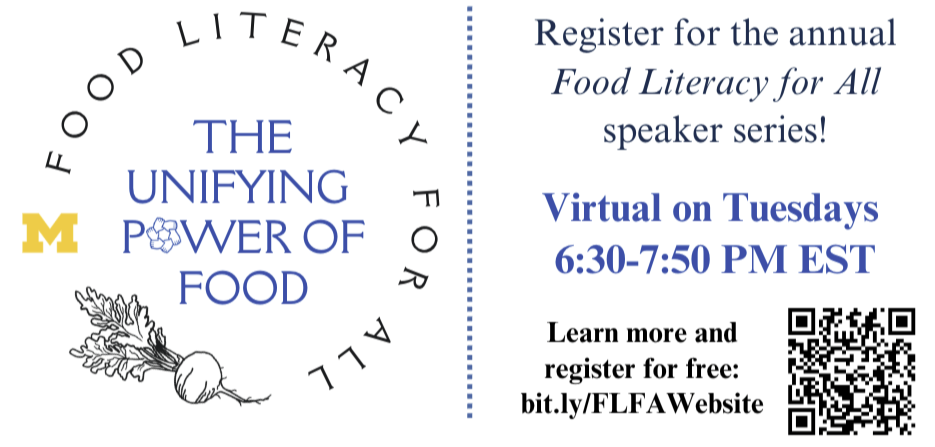
Food Literacy for All is a community-academic partnership course at the University of Michigan, now in its 10th year. From January to April, Food Literacy for All features a dynamic session each Tuesday evening (6:30-7:50 pm ET) that addresses the challenges and opportunities of diverse food systems. All sessions are on Zoom and recordings are shared afterward. -
March 24: Book Talk: Life and Death of the American Worker with Dr. Alice Driver (author) and Dr. Allan Hruska (Facilitator)
-
March 31: Solidarity Kitchens in Brazil: Fighting Hunger and Building Change with Pedro Ferraracio Charbel (chief editor of Jatobá, the social-environmental magazine, and active member of the Homeless Workers Movement and the Socialism and Liberty Party)
- April 7: The Farmers Land Trust and the Farmland Commons:
A New Model for Land Access, Ownership & Tenure - April 14: Fast Food for Thought with Ten UM Faculty 5-minute Flash Talks (hybrid event)
- April 21: Course Reflection
See the schedule and register for free as a community member on the website. Registration is rolling, so you can sign up anytime. As a registrant, you can attend the sessions that interest you. Register once and received reminders of each week's webinar.
|
|
|
This email is sent to you as a notification of the newest JAFSCD articles and other occasional JAFSCD news. |
|
JAFSCD is an open access, community-supported journal! Your library, program, or organization can become a shareholder to help keep JAFSCD's content available to all, regardless of their resources. We welcome anyone to become an individual shareholder; donations are tax-deductible to the extent allowed by law.
|
|
|
|