from the Journal of Agriculture, Food Systems, and Community Development |
|
|
JAFSCD is the world’s only community-supported journal. JAFSCD content is open access (free) thanks to the generous support of our shareholders: the JAFSCD Shareholder Consortium, Library Shareholders, a growing number of Individual Shareholders, and our JAFSCD Partners: |
|
|
JAFSCD peer-reviewed article by Luyue (Cindy) Zheng (U of New Hampshire), Ge Ge (Rutgers U), Shuhan Wen (Independent researcher), and Analena Bruce (U of New Hampshire)
Scoping review reveals gaps in market-based access to culturally appropriate foods in local food systems.
Research on food (in)security among immigrants highlights the need for culturally appropriate food. Local food movements can advance cultural food security and complement public health interventions. Recent initiatives, such as immigrant-led gardening and agriculture programs, have explored access to culturally appropriate food through alternative food networks (AFNs). AFN initiatives that link support for immigrant farmers with cultural food access could help to guide inclusive food policy planning and public health interventions.
In a new JAFSCD article, Culturally appropriate food in local food systems and associated health impacts among immigrants living in high-income countries: A scoping review, authors Luyue Zheng, Ge Ge, Shuhan Wen, and Analena Bruce synthesize findings from 21 studies published between 2003 and 2024 to map and characterize the evidence on food access through AFNs and the health impacts of locally grown, culturally appropriate food among immigrants from low-/middle-income countries living in high-income countries.
Corresponding author Luyue (Cindy) Zheng can be contacted at cindy.zheng@unh.edu.
KEY FINDINGS Local, cultural food access through self-production. Immigrants rely mainly on gardening and foraging, rather than market-based outlets like farmers markets, to access locally produced, culturally appropriate foods.
-
Positive impacts, but limited evidence. Many studies link culturally appropriate food to improved diet quality, physical activity, and mental and social well-being. However, most existing research is descriptive, making it difficult to measure direct effects on dietary patterns or food security.
RECOMMENDATIONS FOR POLICY, PRACTICE, AND RESEARCH - Food sovereignty framework. A food sovereignty approach shifts the emphasis from food security to addressing structural barriers like land access, infrastructure, and technical assistance to expand immigrant farmers’ capacity to produce culturally appropriate foods for their communities.
- Measure more than diet. Communities, public health departments, and funders should assess culturally appropriate food initiatives through their broader impacts on social capital and community well-being, not just dietary change.
-
Deepen inquiry into market-based models. Research is needed to assess how market channels such as produce prescription programs and community food hubs can equitably engage immigrant communities and support access to culturally appropriate food.
SHARE ON YOUR SOCIALS Where do immigrants find locally grown, culturally appropriate foods, and what impact does this have on their health and well-being?
Immigrants in high-income countries often rely on gardening and foraging—not markets—to access culturally appropriate foods. #OpenAccess #FoodAccess #ImmigrantHealth #LocalFoodSystems #PublicHealth #CulturalFood #FoodJustice Read the full @JAFSCD article for free: https://doi.org/10.5304/jafscd.2026.152.008 |
|
|
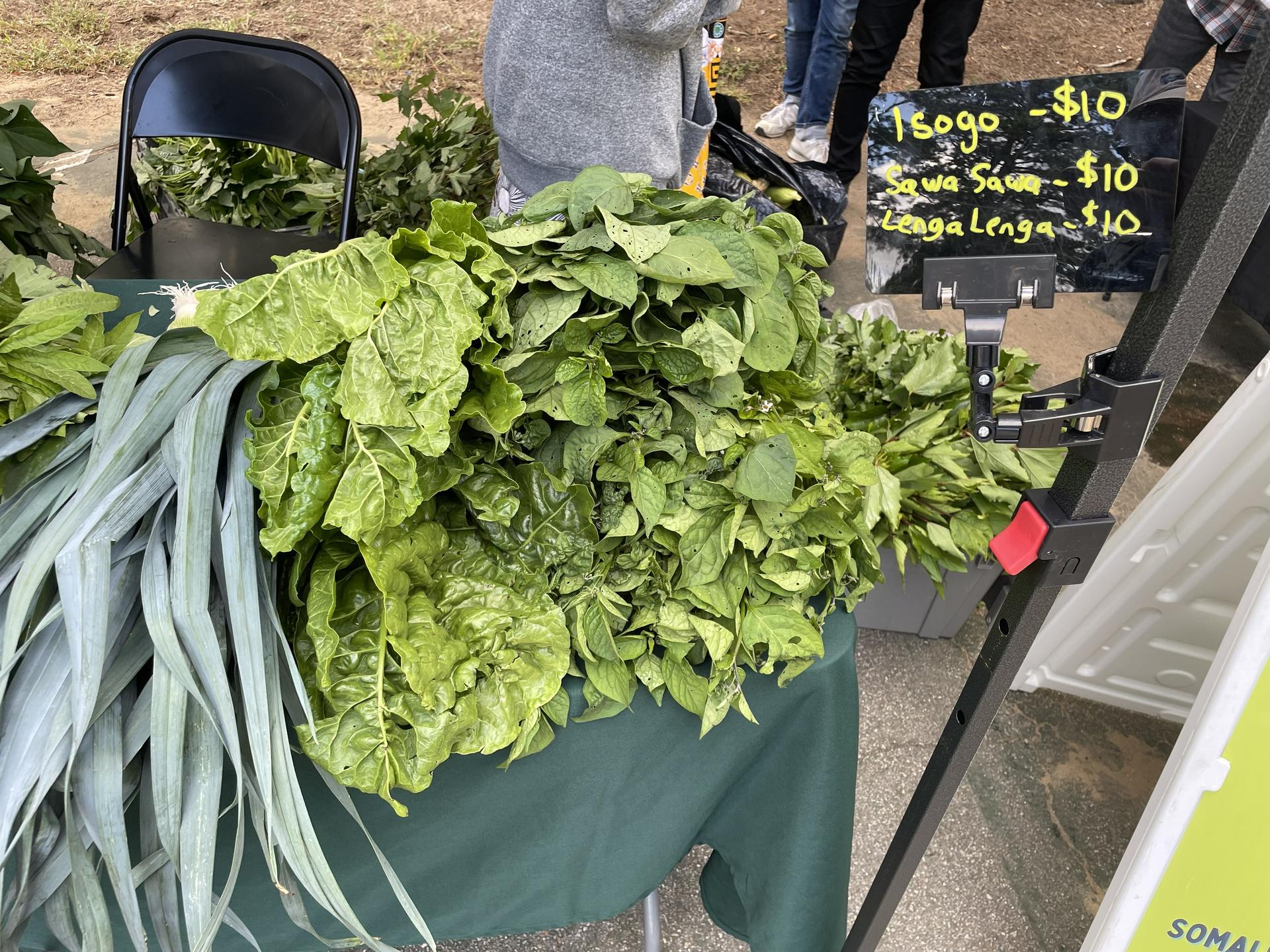
Photo above: Lenga Lenga, Isogo, and Sawa Sawa—culturally appropriate vegetables deeply valued in African immigrant communities and integral to their foodways—grown by immigrant and refugee farmers and offered at the Morningstar Farmers’ Market in Concord, New Hampshire, USA. Photo provided by Luyue Zheng. |
|
|
The dark side of soda
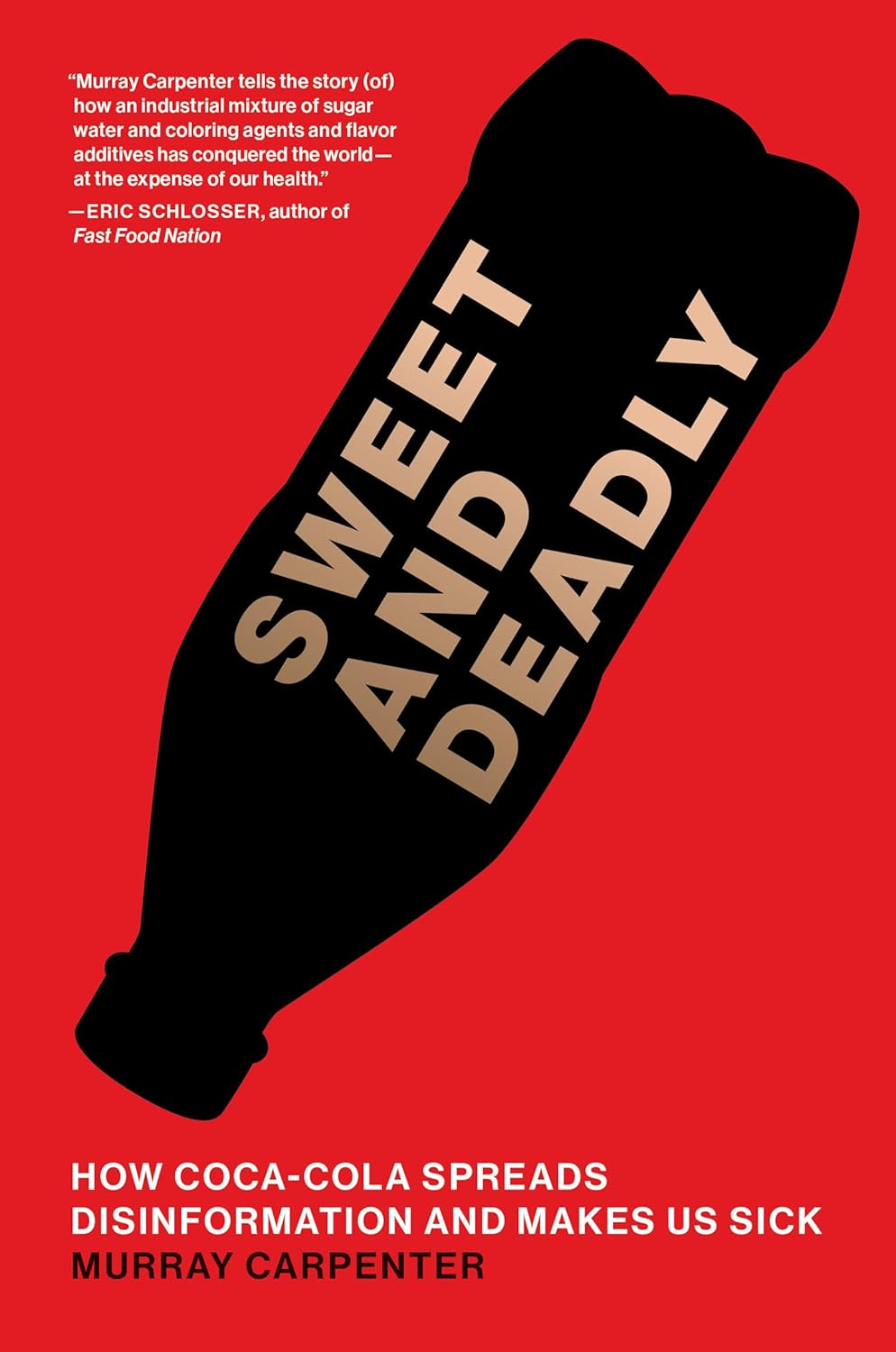
Review of Sweet and Deadly: How Coca-Cola Spreads Disinformation and Makes Us Sick, by Murray Carpenter
Review by Andrea Cullers (Missouri Southern State U)
|
| |
|
From the review:
Journalist Murray Carpenter investigates how Coca-Cola used science, marketing, and political influence to obscure the health dangers of its products and protect profits at the expense of public health. . . . Carpenter documents how the company aggressively countered growing scientific evidence linking sugar-sweetened beverages to obesity, diabetes, cardiovascular disease, and other chronic illnesses. The result is a sobering account of how one of the world’s most recognizable brands built and defended a global image based on deception, misinformation, and corporate power. . . .
Read the entire book review, for free, at JAFSCD. |
|
|
JAFSCD SHAREHOLDER'S EVENT |
|
|
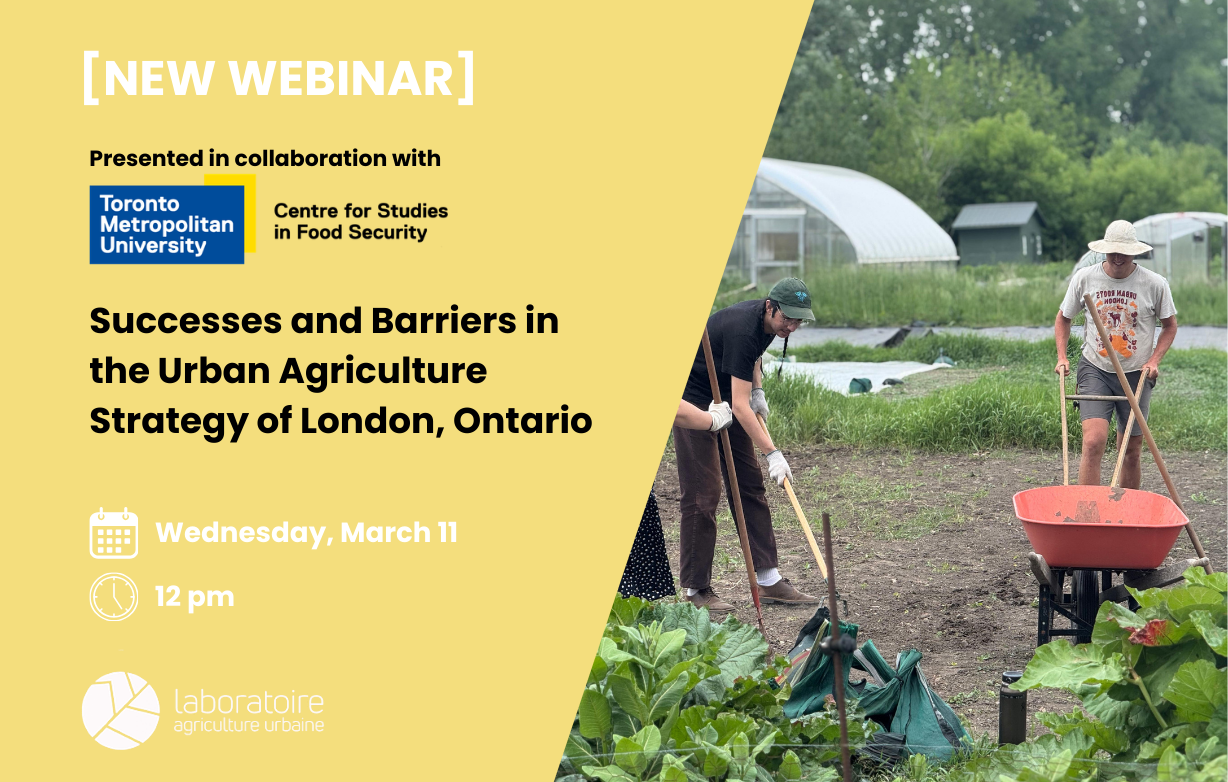
Toronto Metropolitan University's Centre for Studies in Food Security (CSFS) invites you to this free webinar co-hosted with AU/LAB. Presenters: - Richard Bloomfield, Assistant Professor in Management and Organizational Studies, Huron University College, Western University - Kassie Miedema, Researcher in Management and Organizational Studies, Huron University College, Western University Facilitator: - Joe Nasr, Centre for Studies in Food Security, Chang School for Continuing Education, Toronto Metropolitan University
Join Rendez-vous AgriUrbains mailing list to receive the connection link. The Zoom link will be shared on the morning of the webinar. A recording will be posted on AU/LAB's YouTube channel and CSFS' website following the event. | JAFSCD SHAREHOLDER'S EVENT |
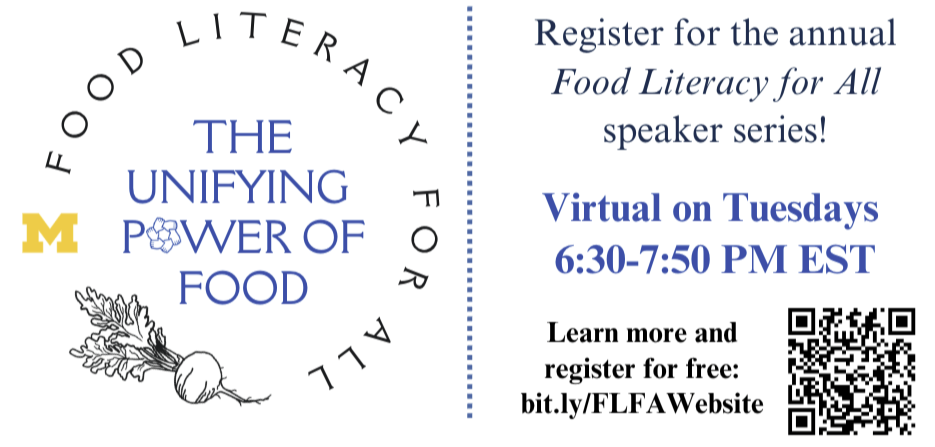
Food Literacy for All is a community-academic partnership course at the University of Michigan, now in its 10th year.
From January to April, Food Literacy for All features a dynamic session each Tuesday evening (6:30-7:50 pm ET) that addresses the challenges and opportunities of diverse food systems. All sessions are on Zoom and recordings are shared afterward. Upcoming sessions include: - March 10: Panel of Urban Agriculture Directors, including Patrice Brown (associate director of urban agriculture, City of Detroit) and Rabekha Siebert (comprehensive urban agriculture plan manager, the City of Dallas)
-
March 17: The Foundation of Food: The Science and Politics of Our Changing Soils, with Dr. Asmeret Asefaw Berhe (Director of the Sierra Nevada Research Institute and Climate Institute; University of California, Merced)
-
March 24: Book Talk: Life and Death of the American Worker with Dr. Alice Driver (author) and Dr. Allan Hruska (Facilitator)
See the schedule and register for free as a community member on the website. Registration is rolling, so you can sign up anytime. As a registrant, you can attend the sessions that interest you. Register once and received reminders of each week's webinar. |
|
|
This email is sent to you as a notification of the newest JAFSCD articles and other occasional JAFSCD news. |
|
JAFSCD is an open access, community-supported journal! Your library, program, or organization can become a shareholder to help keep JAFSCD's content available to all, regardless of their resources. We welcome anyone to become an individual shareholder; donations are tax-deductible to the extent allowed by law.
|
|
| |