from the Journal of Agriculture, Food Systems, and Community Development |
|
|
JAFSCD is the world’s only community-supported journal. JAFSCD content is open access (free) thanks to the generous support of our shareholders: the JAFSCD Shareholder Consortium, Library Shareholders, a growing number of Individual Shareholders, and our JAFSCD Partners: |
|
|
Kansas City case study reveals steep, but solvable, administrative costs that can stall community food production when food meets local bureaucracy
Farmers, gardeners, and community food leaders keep local food systems running—but unclear zoning, fuzzy use definitions, and complex permitting processes can stall good projects before they start. When administrative rules are vague or discretionary, producers face not only technical hurdles but psychological costs that dampen investment, especially for those with insecure land tenure or limited experience navigating bureaucracy.
In a new JAFSCD article, Permits and paperwork: Administrative burden in Kansas City’s community food system, author Sarah L. Hofmeyer shares findings from an exploratory qualitative case study of the Kansas City metropolitan region, using survey and interview data to map the learning, compliance, and psychological costs producers encounter in local government processes. The study shows how interactions with administrators can either alleviate or intensify burdens, and how peer networks and nonprofits act as navigators that reduce costs and fill institutional gaps. Practical recommendations include clarifying local policies, conducting policy audits, and providing administrator training.
Corresponding author Sarah L. Hofmeyer can be contacted at sarah-hofmeyer@uiowa.edu. KEY FINDINGS
Local government generates measurable learning, compliance, and psychological costs. The unclear rules and permit requirements create a systemwide burden. Compliance steps—engineered drawings, public meetings, and fees—are often sized for large developments, which can intensify frustration when agriculture is poorly considered in local policy.
Individual actors can amplify or alleviate burden. Reported experiences differ across localities, highlighting the role of administrator discretion and policy variation in producing administrative costs. Administrative encounters can be pivotal, though not always productive. One producer progressed only after an architect neighbor intervened with an administrator, while another resolved conflicting floodplain guidance only after a state representative stepped in.
Burdens can be unequally distributed. This is especially true for those facing land precarity (e.g., threatened lease termination) or when producers face language barriers and limited bureaucratic familiarity.
RECOMMENDATIONS FOR POLICY, PRACTICE, AND RESEARCH
Policy: Targeted remedies include codifying clear, inclusive definitions (e.g., of “urban agriculture”), specifying allowable uses, establishing by-right thresholds for small-scale activities, and right-sizing permits and fees to a project’s scale. Improving online guidance and cross-jurisdiction coordination can lower the learning costs where boundaries overlap. Practice: Provide administrator training on responsiveness, constructive use of discretion, and accurate, consistent guidance. Invest in “navigators” (perhaps extension or nonprofits) and strengthen peer networks to broaden access to technical assistance, especially for producers facing land precarity or language barriers. - Research: Conduct multimetro comparative studies to test generalizability and identify governance features (e.g., consolidated city-county) that influence administrative burdens. Prioritize designs that enable causal inference (e.g., policy experiments to reduce compliance costs).
SHARE ON YOUR SOCIALS
How can local government help instead of hindering community food production? Administrative burdens have real costs for producers and can stymie increases and innovations for a resilient food system. One study investigates, showing how interactions with administrators can either alleviate or intensify burdens, and how peer networks and nonprofits can act as navigators to reduce costs and fill institutional gaps. Read the entire @JAFSCD article for free: https://doi.org/10.5304/jafscd.2026.152.005
|
|
|
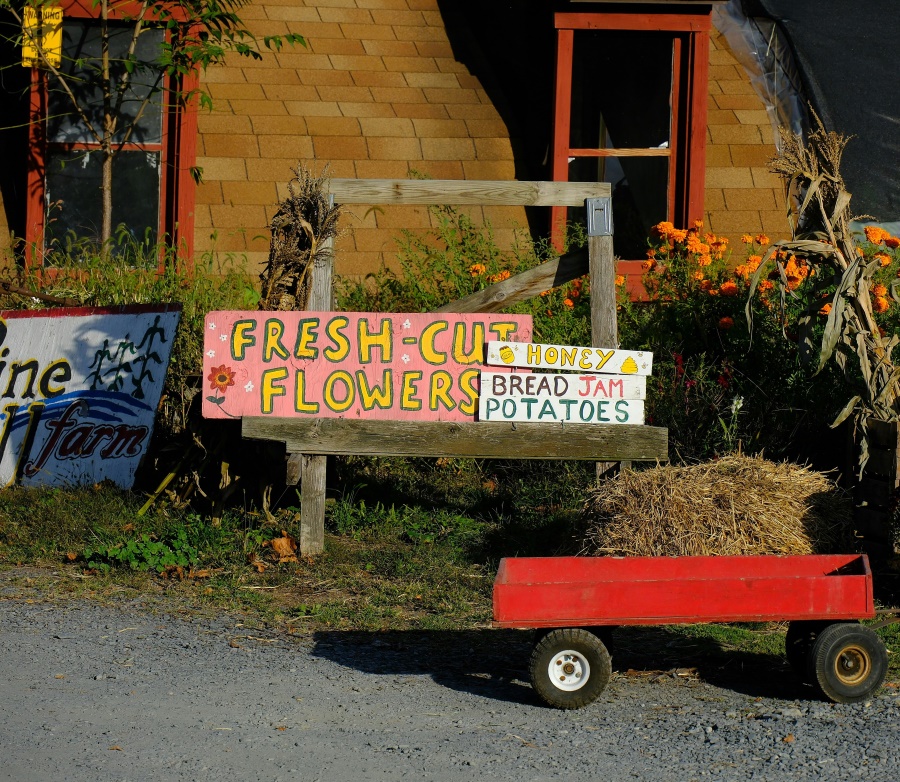
Photo above: An urban farm stand with on-site sales in the Kansas City metro area; photo by Michael Chiara (Unsplash).
|
|
|
From power trees of the enclosure to the apple trees of the commons
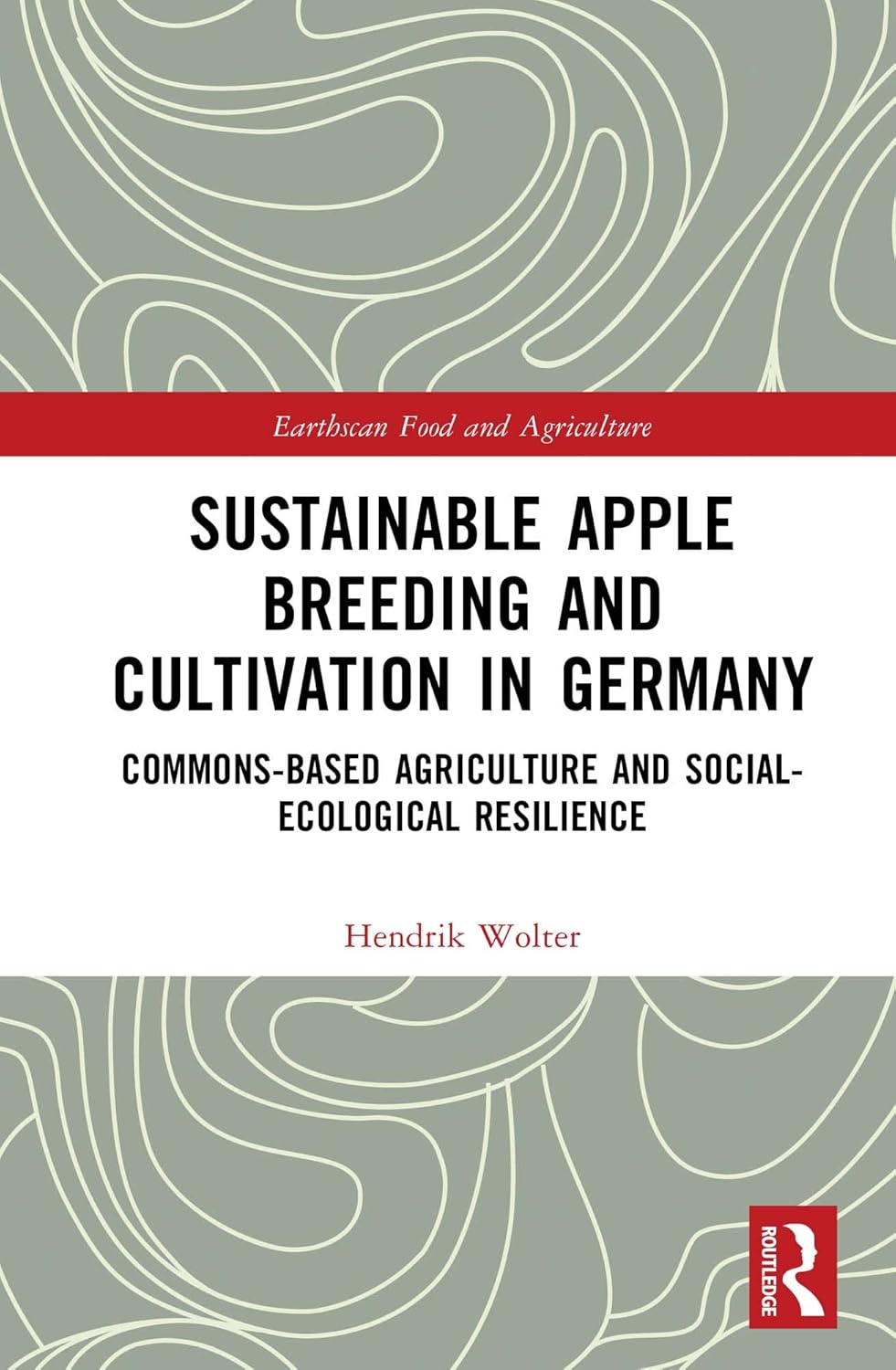
Review of Sustainable Apple Breeding and Cultivation in Germany: Commons-Based Agriculture and Social-Ecological Resilience, by Hendrik Wolter
Review by Charles L. Tumuhe (Alliance for Food Sovereignty in Africa and Uganda Martyrs U)
|
| | |
From the review:
. . . Drawing on social ecological systems theory, resilience thinking, and commons scholarship, [Wolter] redefines fruit breeding as a reflection of broader questions about power, equity, and sustainability. His analysis resonates strongly with the four-dimensional agroecology framework developed by the Coopération Internationale pour le Développement et la Solidarité . . . which incorporates ecological, social, political, and economic dimensions. . . . The book offers both theoretical depth and practical insight into how collective governance can foster ecological resilience and social justice in food systems. . . .
Read the entire book review, for free, at JAFSCD. |
|
|
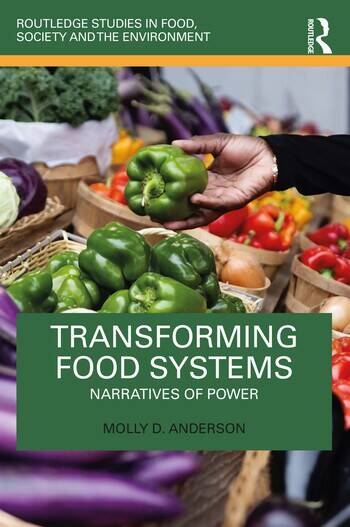
| Deconstructing the narratives that frame food system transformation Review of Transforming Food Systems: Narratives of Power, by Molly D. Anderson
Review by Carina Manitius (U of Vermont) |
|
|
From the review:
Narratives hold power. The stories we tell ourselves about the food system—what it is, what it ought to be, and who has the power and agency to change it—shape our conception of what’s possible. In Transforming Food Systems: Narratives of Power, Molly D. Anderson explores the most common narratives around food system transformation and deconstructs the theories and assumptions underlying them. Drawing on her decades of scholarship and advocacy, she demonstrates the power of narratives by exploring how they show up in contemporary food systems discourse and the influence of such narratives on actionable change. . . .
Read the entire book review, for free, at JAFSCD. |
|
|
JAFSCD SHAREHOLDER'S EVENT |
|
|
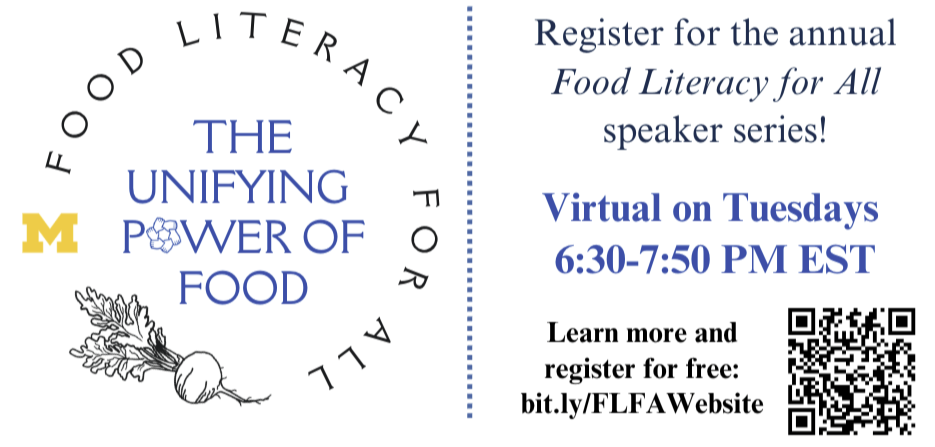
Food Literacy for All is a community-academic partnership course at the University of Michigan, now in its 10th year.
From January to April, Food Literacy for All features a dynamic session each Tuesday evening (6:30-7:50 pm ET) that addresses the challenges and opportunities of diverse food systems. All sessions are on Zoom and recordings are shared afterward. Upcoming sessions include: - March 10: Panel of Urban Agriculture Directors, including Patrice Brown (associate director of urban agriculture, City of Detroit) and Rabekha Siebert (comprehensive urban agriculture plan manager, the City of Dallas)
-
March 17: The Foundation of Food: The Science and Politics of Our Changing Soils, with Dr. Asmeret Asefaw Berhe (Director of the Sierra Nevada Research Institute and Climate Institute; University of California, Merced)
See the schedule and register for free as a community member on the website. Registration is rolling, so you can sign up anytime. As a registrant, you can attend the sessions that interest you. Register once and received reminders of each week's webinar. |
|
|
This email is sent to you as a notification of the newest JAFSCD articles and other occasional JAFSCD news. |
|
JAFSCD is an open access, community-supported journal! Your library, program, or organization can become a shareholder to help keep JAFSCD's content available to all, regardless of their resources. We welcome anyone to become an individual shareholder; donations are tax-deductible to the extent allowed by law.
|
|
| |