from the Journal of Agriculture, Food Systems, and Community Development |
|
|
JAFSCD is the world’s only community-supported journal. JAFSCD content is open access (free) thanks to the generous support of our shareholders: the JAFSCD Shareholder Consortium, Library Shareholders, a growing number of Individual Shareholders, and our JAFSCD Partners: |
|
|
JAFSCD peer-reviewed article by Adang Agustian, Ika Inayah, Benny Rachman, Rika Reviza Rachmawati, Chairul Muslim, Helena Juliani Purba, Alan Ray Farandy, Suharyon, Umi Karomah Yaumidin, Mewa Ariani, Sri Hastuti Suhartini, Sri Hery Susilowati, Ening Ariningsih, Irawan (National Research and Innovation Agency [BRIN]), Maino Dwi Hartono (National Food Agency), and Ketut Kariyasa (Ministry of Agriculture of the Republic of Indonesia)
As Indonesia builds its new capital city of Indonesia (NCCI), a critical question emerges: How will this future megacity be fed? A new study provides the first integrated analysis of the food system designed to sustain the new capital city, Nusantara, in East Kalimantan Province (EKP). The study finds that it starts from a position of high dependency on external regions. The research highlights a precarious balance between local production deficits and complex supply chains that are vulnerable to disruption.
In the new JAFSCD article, Food supply improvement for planning to meet needs in Indonesia’s New Capital City, the authors provide a comprehensive assessment of how food production, distribution, and interregional trade of key commodities will support the new capital’s population.
Corresponding author Ika Inayah can be contacted at ikai002@brin.go.id. KEY FINDINGS
Developing the NCCI in EKP poses significant challenges to food security. This study concludes that the NCCI food system begins from a position of high dependency, characterized by critical deficits in rice and broiler eggs, alongside a large surplus in beef and broiler chicken meat.
This duality necessitates strong and strategic reliance on a multiprovincial buffer zone, primarily encompassing South Kalimantan, East Java, South Sulawesi, East Nusa Tenggara, and West Sulawesi.
Policy interventions must aggressively address local production constraints, such as suboptimal land use and technological limitations, through programs that optimize land use, improve irrigation (including water pumping systems), and disseminate productivity-enhancing technologies.
Another policy imperative is the need to strengthen logistics integration. This requires immediate investment in road and maritime transport infrastructure, as well as warehousing and storage facilities. This is a point consistently emphasized by stakeholders in both the public and private sectors.
RECOMMENDATIONS FOR POLICY, PRACTICE, AND RESEARCH - The strategies presented are not only vital for the NCCI but also offer a transferable, evidence-based framework for planning food systems in other new capital cities across the developing world.
-
Achieving food security for the NCCI depends on formalizing cooperation and collaboration. This includes intergovernmental partnerships between the EKP authorities and the buffer provincial governments to streamline policies, as well as public-private partnerships to increase investment in processing, distribution, and market development.
-
Future research should build on this foundation by incorporating the critical social and environmental dimensions of this major urban transformation.
SHARE ON YOUR SOCIALS
How do you plan the food system for a new capital city from the ground up? A new study on Indonesia's new capital, reveals a complex web of dependencies and vulnerabilities to build a resilient food supply. For a complete description of the study, read the full article @JAFSCD for free: https://doi.org/10.5304/jafscd.2026.152.007
|
|
|
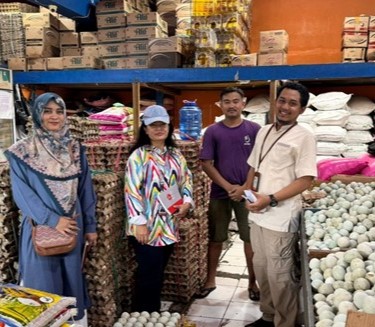
Photo above: Study team members interviewed layer egg traders in East Kalimantan Province, 2024; photo provided by the authors. |
|
|
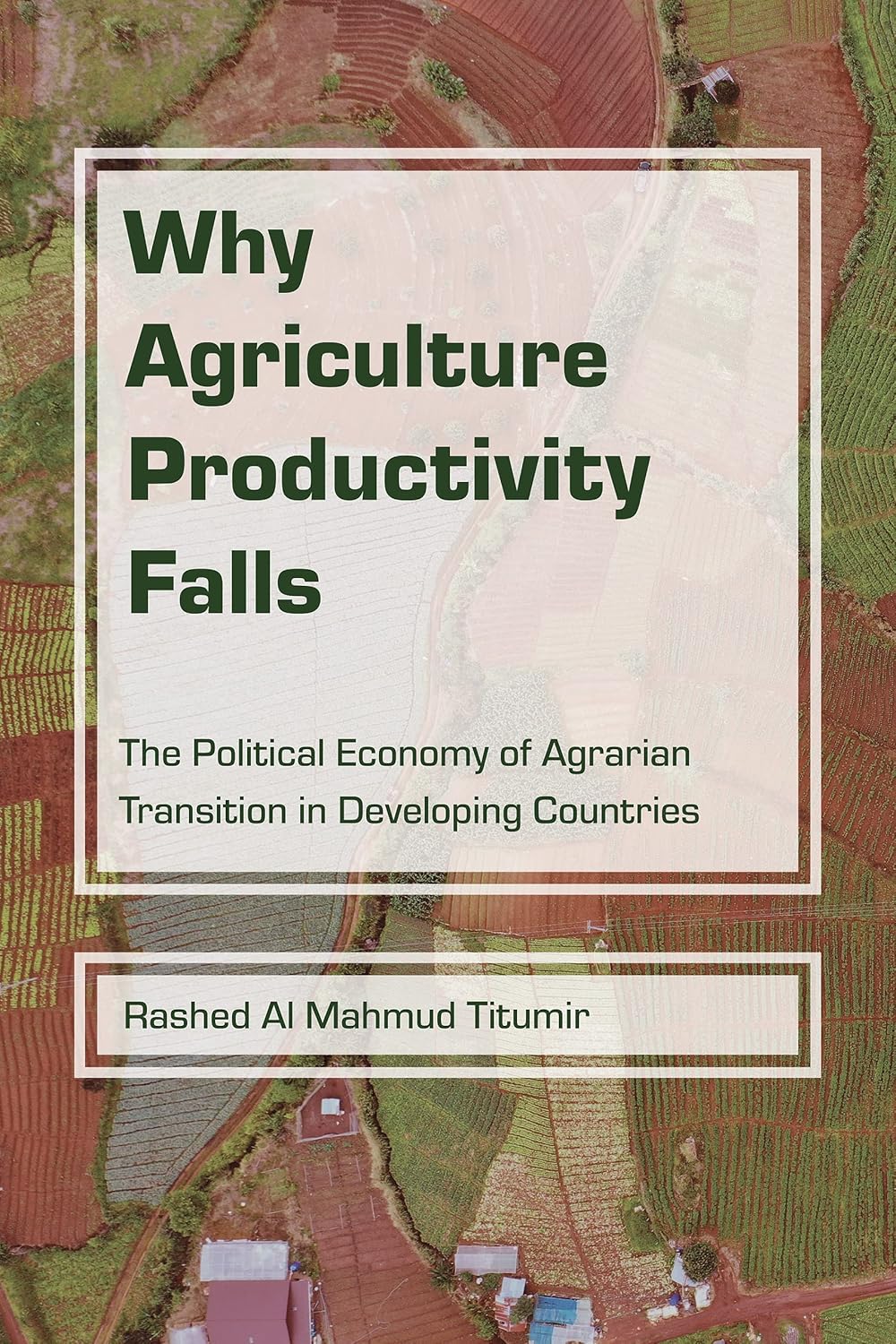
A political dissection of agrarian development in developing countries: A case from Bangladesh Review of Why Agriculture Productivity Falls: The Political Economy of Agrarian Transition in Developing Countries, by Rashed Al Mahmud Titumir
Review by Manoj Sharma (Kansas State U)
|
| |
|
From the review:
The empirical heart of the book lies in four villages that embody different shapes of urbanization, climate risk, migration, market access, and primitive accumulation. Srimantapur (Comilla), the “village between two cities,” shows high yields and intensive input use under extreme land fragmentation. Farmers are “hyper‑productive” but ecologically vulnerable. . . . The book’s main contribution is to reframe the agrarian question under conditions of smallholder dominance, capital‑biased technology, and clientelist states. It challenges both neoclassical optimism that removing market distortions will lead land to the “most productive” users and neopopulist faith in smallholder‑led development. . . .
Read the entire book review, for free, at JAFSCD. |
|
|
|
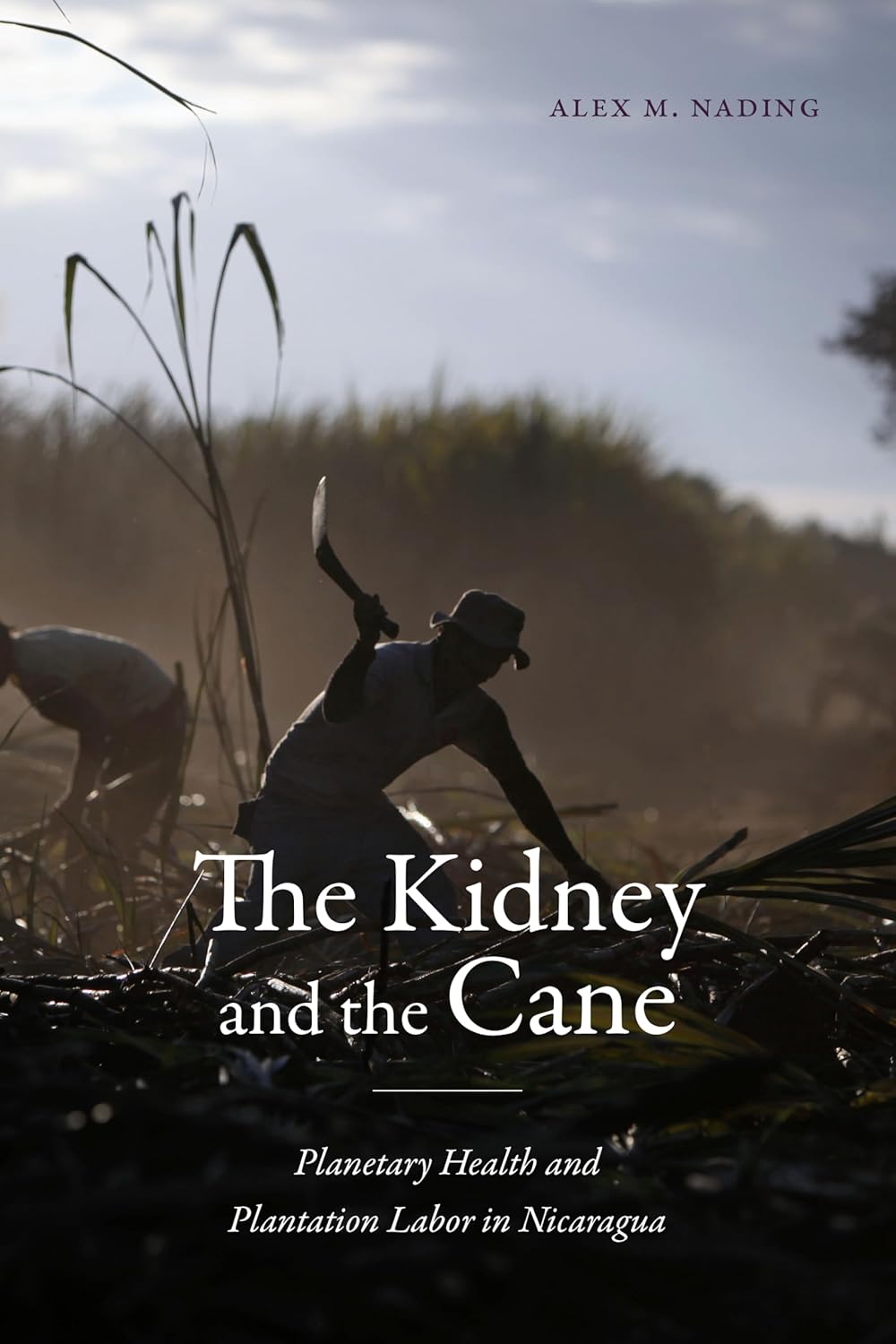
Agro-industry at the center: How communities on the edge respond? Review of The Kidney and the Cane: Planetary Health and Plantation Labor in Nicaragua, by Alex M. Nading
Review by Donald C. Cole (Professor emeritus, U of Toronto) |
|
|
From the review:
Alex Nading’s second book focuses primarily on the communities that surround a Central American sugarcane operation—yet it spans the local to the global with a masterful combination of participatory observation, archival research, and theoretical reflection. . . . Nading makes a convincing case that “a critical approach to planetary health is that there is no way of returning to a ‘before,’ when life support systems worked better,” and that “planetary health still remains something of an aspiration.” . . .
Read the entire book review, for free, at JAFSCD. |
|
|
JAFSCD SHAREHOLDER'S EVENT |
|
|
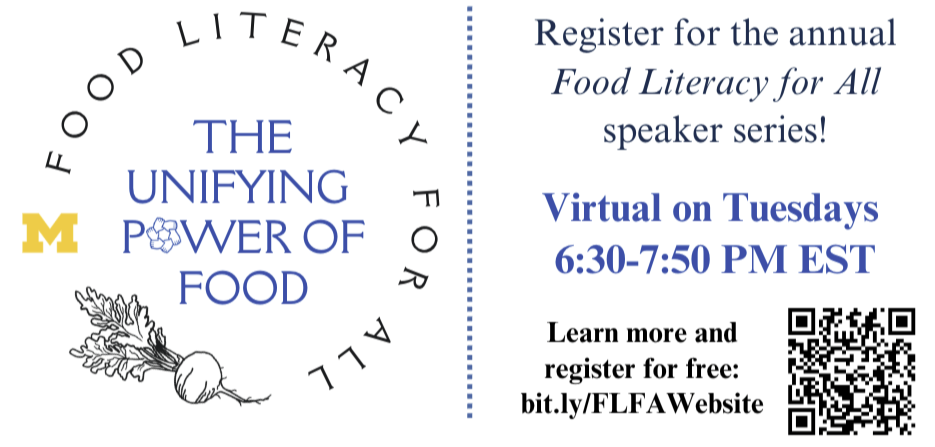
Food Literacy for All is a community-academic partnership course at the University of Michigan, now in its 10th year.
From January to April, Food Literacy for All features a dynamic session each Tuesday evening (6:30-7:50 pm ET) that addresses the challenges and opportunities of diverse food systems. All sessions are on Zoom and recordings are shared afterward. Upcoming sessions include: - February 24: Anthony Flaccavento (executive director of Rural Urban Bridge Initiative)
- March 10: Panel of Urban Agriculture Directors, including Patrice Brown (associate director of urban agriculture, City of Detroit) and Rabekha Siebert (comprehensive urban agriculture plan manager, the City of Dallas)
-
March 17: The Foundation of Food: The Science and Politics of Our Changing Soils, with Dr. Asmeret Asefaw Berhe (Director of the Sierra Nevada Research Institute and Climate Institute; University of California, Merced)
See the schedule and register for free as a community member on the website. Registration is rolling, so you can sign up anytime. As a registrant, you can attend the sessions that interest you. Register once and received reminders of each week's webinar. |
|
|
This email is sent to you as a notification of the newest JAFSCD articles and other occasional JAFSCD news. |
|
JAFSCD is an open access, community-supported journal! Your library, program, or organization can become a shareholder to help keep JAFSCD's content available to all, regardless of their resources. We welcome anyone to become an individual shareholder; donations are tax-deductible to the extent allowed by law.
|
|
| |