from the Journal of Agriculture, Food Systems, and Community Development |
|
|
JAFSCD is the world’s only community-supported journal. JAFSCD content is open access (free) thanks to the generous support of our shareholders: the JAFSCD Shareholder Consortium, Library Shareholders, a growing number of Individual Shareholders, and our JAFSCD Partners: |
|
|
In a new JAFSCD viewpoint, members of the South Bay Food Justice Collaborative in California present perspectives on federal budget cuts from attendees of the Urban Agroecology and Cooperative Food Systems Change Conference, which took place on April 10-12, 2025, in Santa Clara, California. Participants shared that investment in a values-based regional economy is increasingly important to sustain local food infrastructure, farmer livelihoods, and food security. Participants used scenario analysis to identify specific problems and develop actions given the scenario that the economy plunges and funding for community-based programs drops by 70%.
Suggested actions included advocating for equitable policies; building strong, local relationships; staying informed of policy-level changes; and creating economic power within communities. Participants recognized the volatility of federal funding in the current political environment. Despite this, they remain firmly committed to engaging in collective action for securing the human right to food for all and community-based strategies to build equitable and sustainable food systems in the Silicon Valley and beyond.
SHARE ON YOUR SOCIALS
The Urban Agroecology and Cooperative Food Systems Change Conference brought together Silicon Valley food systems professionals to discuss continued commitment to work toward local, equitable food systems in California, despite deep federal budget cuts. Read the @JAFSCD article for free: https://doi.org/10.5304/jafscd.2025.151.023
|
| |
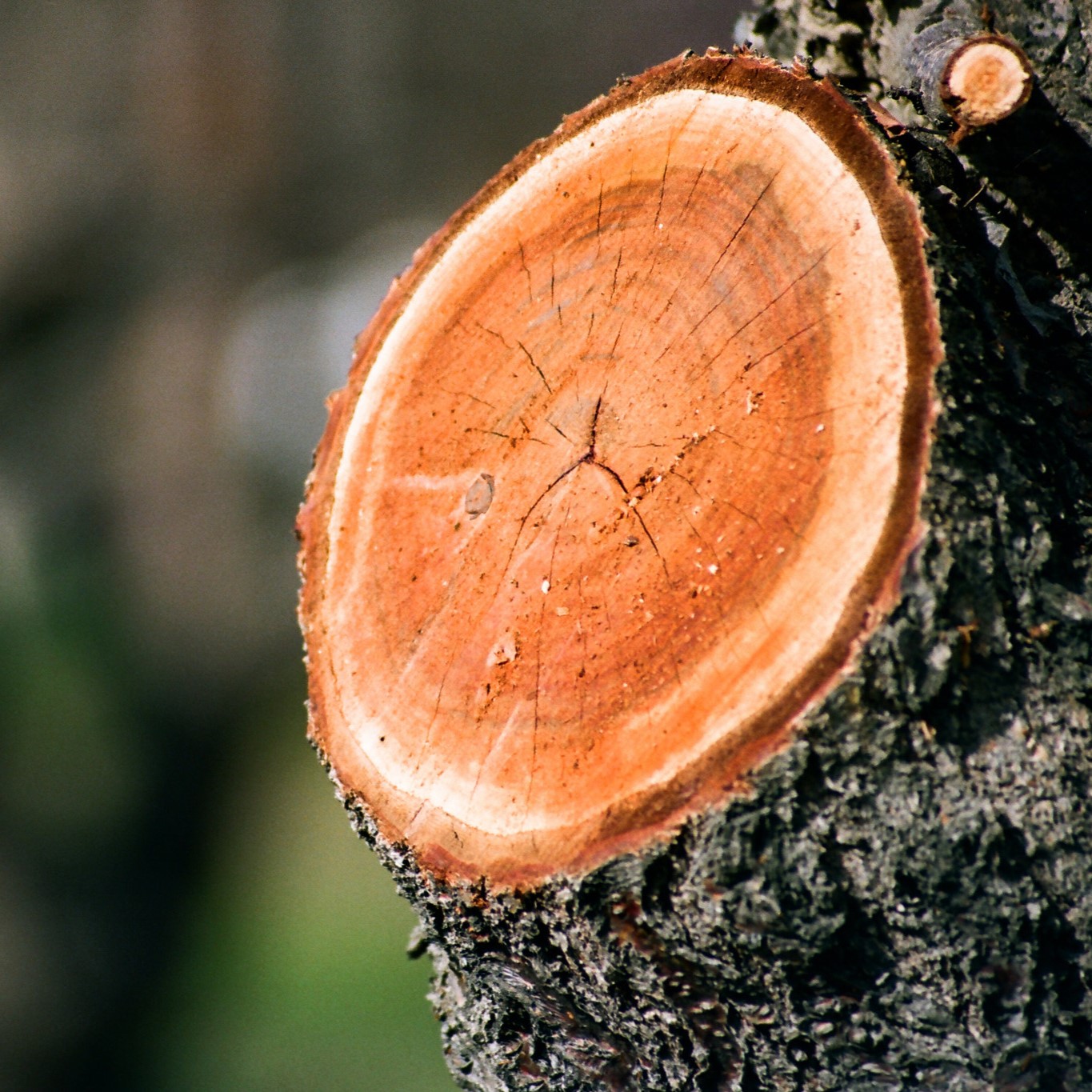
Photo above: A recently trimmed Blenheim apricot tree in Orchard Heritage Park, Sunnyvale, California. Photo taken 2022 by Flickr user Ian Abbott and used under license CC BY-NC-SA 2.0. |
|
|
From the review:
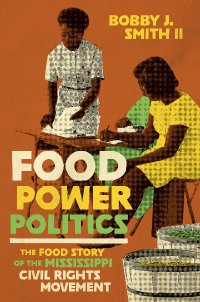
Bobby J. Smith II’s book, Food Power Politics: The Food Story of the Mississippi Civil Rights Movement, traces the journey of food justice efforts in the Mississippi Delta during the Civil Rights era. Smith builds on work already produced in Black critical food studies but charts his own path, investigating food and the civil rights movement. The Mississippi Delta was and is one of the poorest regions in the United States, with its poverty’s roots linked to the systematic oppression of African Americans. The author writes about the food story of the Mississippi Delta and how the white power structure used food as a weapon to oppress African Americans. This account is possible via his interdisciplinary approach using history, sociology, and oral historical accounts to tell the food story of the Delta region. Smith does not make this book a story solely based on oppression; he gives agency and power to the ways African Americans in the region resisted white control over their food systems and diets. . . .
Read the entire JAFSCD review for free: https://doi.org/10.5304/jafscd.2025.151.018 |
|
|
JAFSCD SHAREHOLDER'S EVENT |
|
|
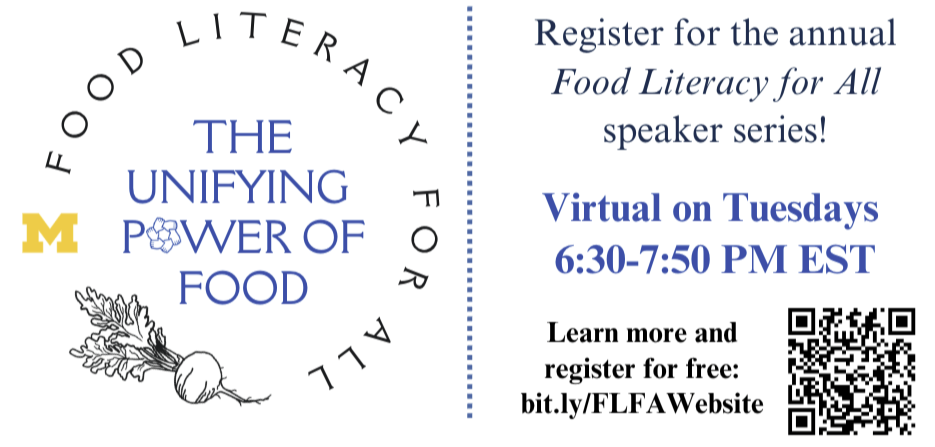
The 10th anniversary series of Food Literacy for All kicks off on January 13, with guest speakers starting on January 20. Food Literacy for All is a community-academic partnership course at the University of Michigan.
From January to April, Food Literacy for All features dynamic sessions each Tuesday evening (6:30-7:50 pm ET) that address the challenges and opportunities of diverse food systems.
The first session on Jan. 13 gives an overview of food systems and reviews the syllabus and assignments (community members don’t need to attend the whole session). The guest speakers start on January 20. All sessions are on Zoom and recordings are shared afterward.
See the schedule and register for free as a community member on the website. Registration is rolling, so you can sign up anytime. As a registrant, you can attend the sessions that interest you. You register once and will get reminders of each week's webinar. |
|
|
JAFSCD SHAREHOLDER'S EVENT |
|
|
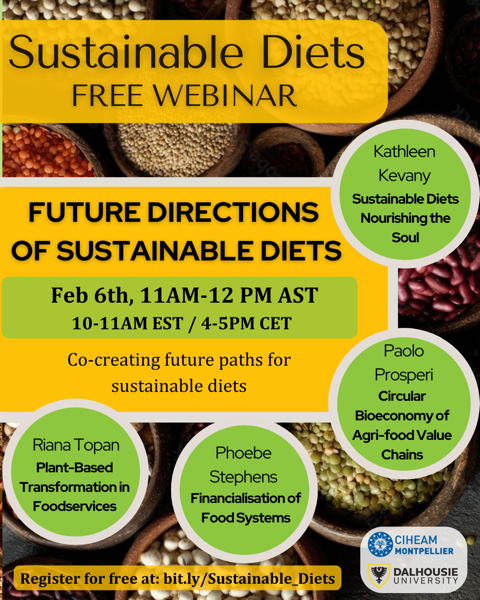
How can we co-create paths toward sustainable diets?
Join Dalhousie University (Canada) and CIHEAM Montpellier (France) on Friday, February 6 (10-11am ET), for a discussion with researchers dedicated to collaborative and impactful strategies for better food futures. |
|
|
NATIONAL FARM STOP NETWORK |
|
|
|
Contribute to the first-ever National Farm Stop Census
The National Farm Stop Network is conducting the first ever National Farm Stop Census to understand how this growing model of producer-focused retail is taking root across the U.S. |
|
|
What is a Farm Stop? - Mission-based, year-round grocery store
- Sources directly from local producers
-
Provides high returns to producers, often through consignment
- Serves as a community gathering place
Your Help Is Needed! If you operate a farm stop that’s been in operation for at least a year, we invite you to participate by taking a 15-minute survey. |
Your input will contribute to the first nationwide, comprehensive dataset on farm stops, offering a proof of concept that strengthens funding opportunities, technical assistance, and policy support for businesses like yours! Questions or concerns? Reach out to katbarr@umich.edu |
|
|
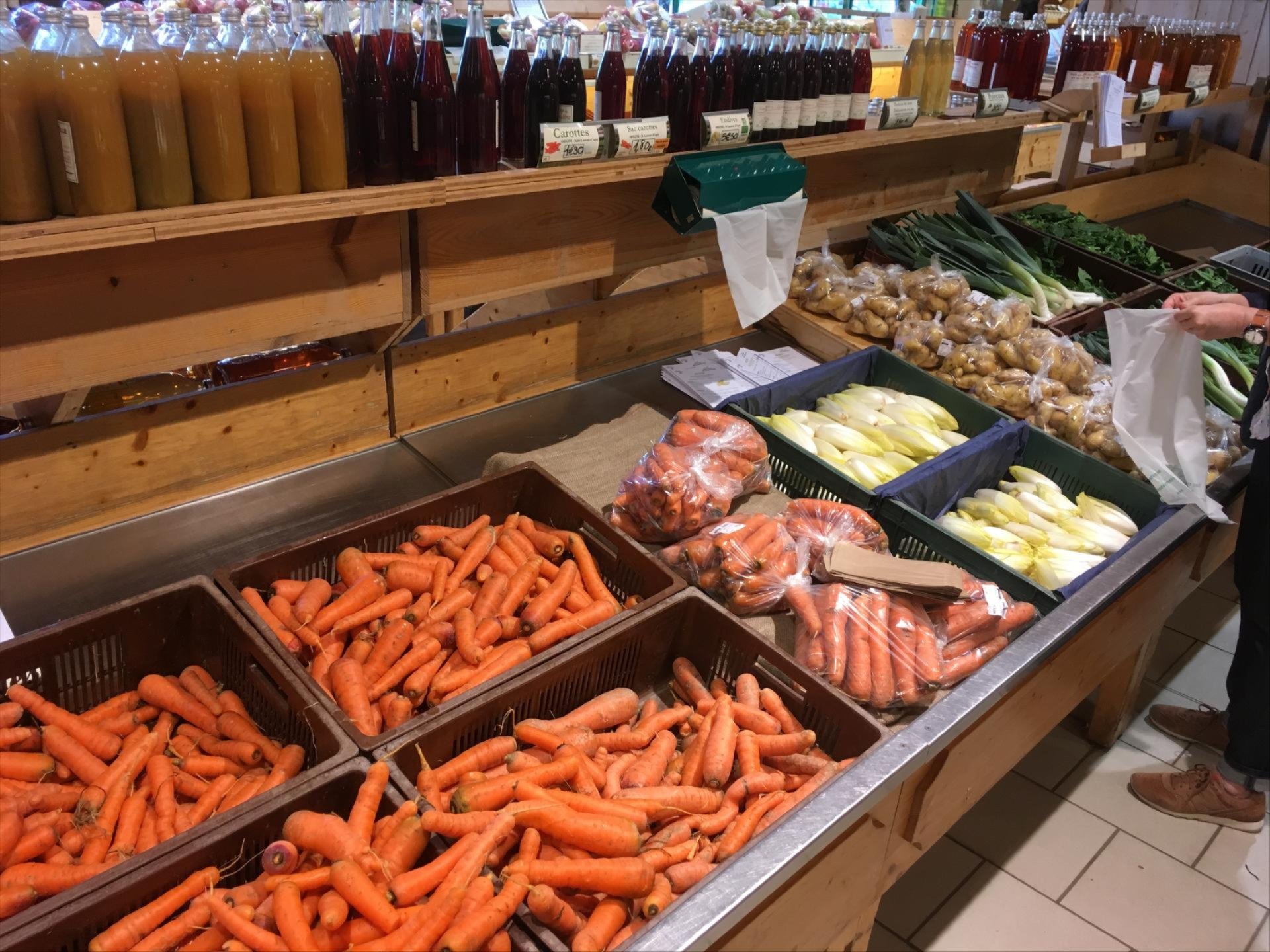
Photo above: The Uniferme store near Lyon, France, is a cooperative effort of local farmers who staff the store during open hours. Products range from mushrooms to cheese, vegetables, and wine; photo © 2019 by Amy Christian. |
|
|
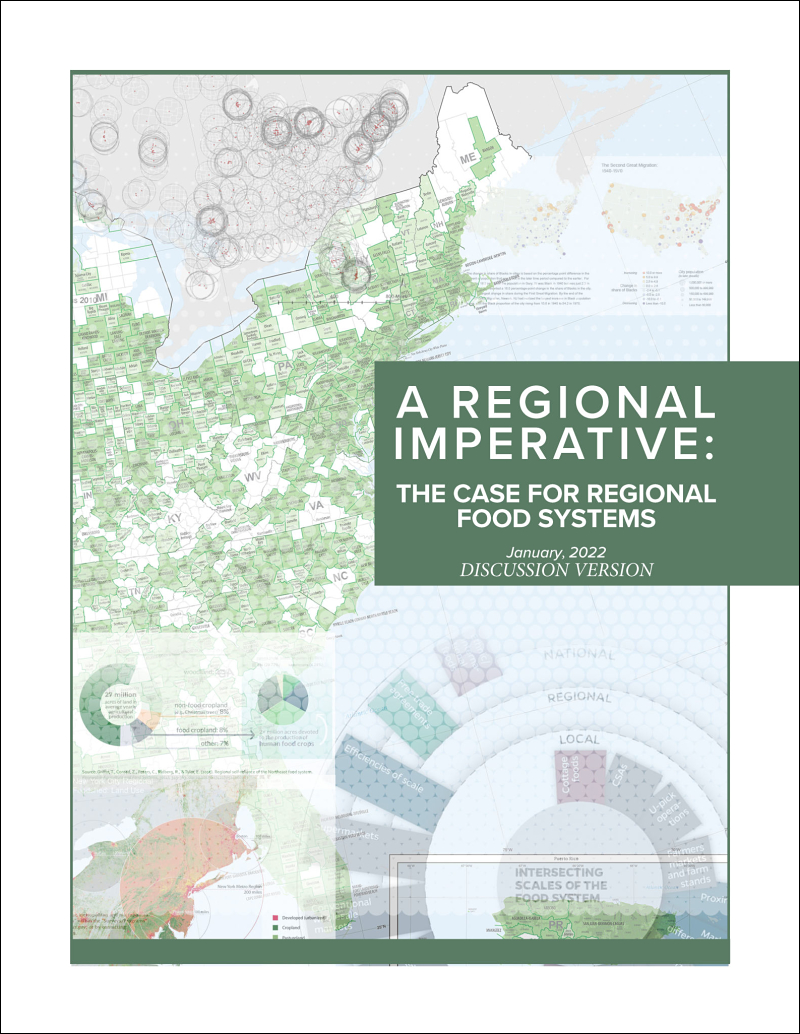
| A Regional Imperative: The Case for Regional Food Systems
In this foundational text published in 2023, authors Kathryn Z. Ruhf and Kate Clancy take a comprehensive look at regional food systems and make a compelling case for why they are both possible and desirable. |
|
|
This forward-looking final report explores the concepts, practices, challenges, and promise of regional food systems. Ruhf and Clancy make the case for “thinking regionally,” drawing examples from the Northeast and across the U.S. Eight chapters take a wide perspective on the dimensions and attributes of regional food systems.
The report posits 6 dimensions and 12 attributes of regional food systems, with resilience, diversity, and sustainability as overarching themes. Topics include production, food security, economic development, land access and natural resources, climate change, supply-chain infrastructure, and social justice.
The authors explore the challenges to and constraints of developing regional food systems, and suggest what is needed to advance them. It makes an important contribution to the collective search for food system governance, self-reliance, resilience, and justice.
Read or download the report for free: https://doi.org/10.5304/lyson.2022.001 |
|
| |
As a community-supported journal, JAFSCD depends on our community of shareholders, who contribute to keep our content free and freely accessible, worldwide. We appreciate all our new and renewing shareholders! Learn more about joining here. Our newest JAFSCD Library Shareholder:
West Chester University |
|
|
SUPPORT JAFSCD THROUGH YOUR LIBRARY! | |
|
|
If you are affiliated with a college or university and want to support JAFSCD, now is the time of year when libraries order new journal subscriptions. |
|
|
How do I know if my library already contributes? Check the list here (scroll down on the page).
Isn't JAFSCD open access and free? It is! But we are a community-supported journal. Libraries contribute to become JAFSCD Library Shareholders instead of buying a subscription — keeping JAFSCD free to all instead of buying access just for their faculty and students. Think of us as the CSA of journals!
Considering submitting a manuscript to JAFSCD? If your institution is a JAFSCD Shareholder, you benefit by having our US$750 APC waived automatically.
How do I recommend JAFSCD to my library? Tell your librarian why JAFSCD is important to your work, and send them this link to learn more!
Contact Amy Christian, managing editor, for details or assistance. |
|
|
This email is sent to you as a notification of the newest JAFSCD articles and other occasional JAFSCD news. |
|
JAFSCD is an open access, community-supported journal! Your library, program, or organization can become a shareholder to help keep JAFSCD's content available to all, regardless of their resources. We welcome anyone to become an individual shareholder; donations are tax-deductible to the extent allowed by law.
|
|
|
|