from the Journal of Agriculture, Food Systems, and Community Development |
|
|
JAFSCD is the world’s only community-supported journal. JAFSCD content is open access (free) thanks to the generous support of our shareholders: the JAFSCD Shareholder Consortium, Library Shareholders, a growing number of Individual Shareholders, and our six JAFSCD Partners: |
|
|
JAFSCD peer-reviewed article by Richard S. Bloomfield (Huron U College), Kassie Miedema (Independent researcher), Becky Ellis (Mohawk College), Deishin Lee (Ivey Business School), and Joe Nasr (Toronto Metropolitan U)
Urban agriculture (UA) has seen renewed interest in Canada since COVID-19. Inflation and pandemic disruptions drove more people toward UA, even as financial pressures made land and resources harder to secure. London, Ontario, is distinctive for having adopted a stand-alone Urban Agriculture Strategy in 2017, rather than embedding it within a broader food policy framework. Drawing on in-depth interviews with 25 local UA practitioners and a workshop with 41 participants, this study examines how that strategy has played out in practice.
In a new JAFSCD article, Growing pains: Successes and barriers in London, Ontario’s urban agriculture strategy, authors Richard S. Bloomfield, Kassie Miedema, Becky Ellis, Deishin Lee, and Joe Nasr assess where policy has enabled UA and where barriers remain. Findings show that while London’s strategy legitimized UA and spurred bylaw changes, its practical impact has been limited by a lack of dedicated leadership, weak communication, land-access challenges, and jurisdictional misalignments. The lesson from London is clear: while urban agriculture holds promise as essential infrastructure for inclusion, adaptation, and food security in mid-sized cities, its success depends on overcoming persistent challenges in leadership, alignment, and communication. Corresponding author Richard Bloomfield can be contacted at rbloomfi@uwo.ca.
KEY FINDINGS -
Municipal role is central: London’s UA strategy provided legitimacy and bylaw updates, but limited staffing, funding, and coordination have constrained implementation.
-
Socio-economic pressures shape participation: Inflation and pandemic disruptions increased interest in UA while straining access to land, materials, and support.
-
Community efficacy matters: Strong grassroots initiatives and partnerships helped UA persist despite policy and economic barriers.
-
Systemic land-use hurdles persist: Zoning gaps, ambiguous building code, and short-term land tenure undermine replicability and scale.
RECOMMENDATIONS FOR POLICY, PRACTICE, AND RESEARCH For practitioners and policymakers:
- Embed UA into broader planning frameworks, ensuring resources and leadership roles to support implementation.
-
Expand secure land access through zoning updates, tenure tools, and transparent processes on public land.
- Build coordination and communication channels across community, private, and municipal partners, with multilingual outreach.
-
Establish dedicated municipal capacity for UA (staff roles, clear processes, and stable resourcing).
For researchers: -
Future research could compare outcomes of stand-alone UA strategies with those embedded in broader food systems or food security plans across Canadian cities.
- Evaluate models that integrate UA with housing, climate adaptation, and equity goals, including long-term funding mechanisms.
SHARE ON YOUR SOCIALS
How can midsized cities move beyond symbolic gestures and truly support urban agriculture? New research published in @JAFSCD from London, Ontario, Canada, shows where a stand-alone urban ag strategy works—and where gaps in leadership, land access, and coordination still hold projects back. Read the full @JAFSCD article for free: https://doi.org/10.5304/jafscd.2025.151.009
#UrbanAgriculture #FoodJustice #CityPlanning |
|
|
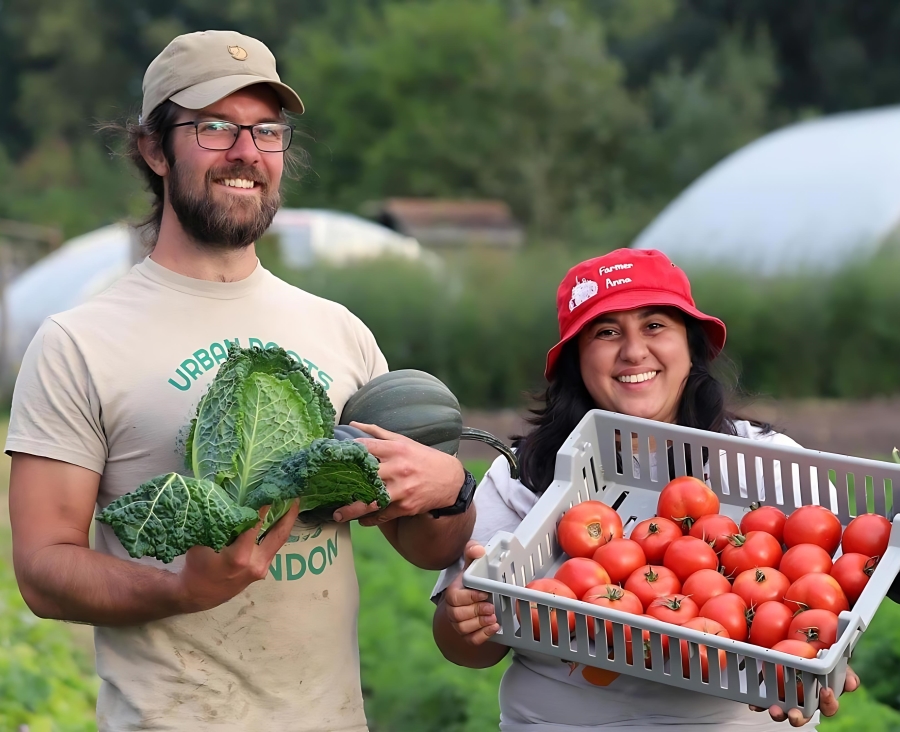
Image above: Urban farmers in London, Ontario, Canada. Photo by Urban Roots London and provided by the authors. |
|
|
JAFSCD PARTNER & SHAREHOLDER NEWS |
|
|
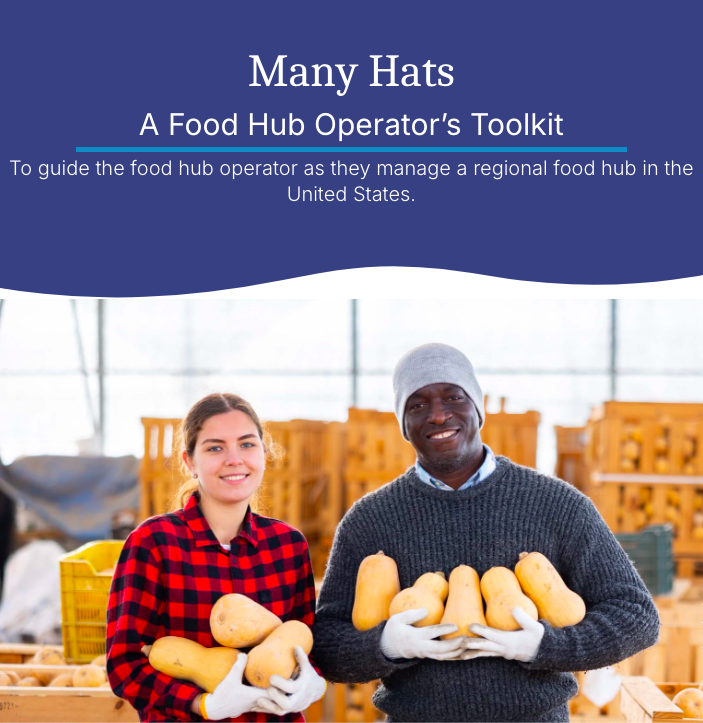
Teams at the University of Vermont (a JAFSCD Partner) and Michigan State University (a JAFSCD Shareholder) partnered with the USDA Agricultural Marketing Service on a project to expand knowledge about food hubs, especially the roles of food hub operators and the progression of their work from start-up to established operations.
The hats these operators wear are invaluable to the ecosystem of local and regional food systems. The project's stories and resources can help motivate, reinforce, and inspire operators and other local purchasing players. Check out Many Hats: A Food Hub Operator’s Toolkit and The Food Hub Podcast.
|
|
|
SUPPORT JAFSCD THROUGH YOUR LIBRARY! | |
|
|
If you are affiliated with a college or university and want to support JAFSCD, now is the time of year when libraries order new journal subscriptions. |
|
|
How do I know if my library already contributes? Check the list here (scroll down on the page).
Isn't JAFSCD open access and free? It is! But we are a community-supported journal. Libraries contribute to become JAFSCD Library Shareholders instead of buying a subscription — keeping JAFSCD free to all instead of buying access just for their faculty and students. Think of us as the CSA of journals!
Considering submitting a manuscript to JAFSCD? If your institution is a JAFSCD Shareholder, you benefit by having our US$750 APC waived automatically.
How do I recommend JAFSCD to my library? Tell your librarian why JAFSCD is important to your work, and send them this link to learn more!
Contact Amy Christian, managing editor, for details or assistance. |
|
|
This email is sent to you as a notification of the newest JAFSCD articles and other occasional JAFSCD news. |
|
JAFSCD is an open access, community-supported journal! Your library, program, or organization can become a shareholder to help keep JAFSCD's content available to all, regardless of their resources. We welcome anyone to become an individual shareholder; donations are tax-deductible to the extent allowed by law.
|
|
|
|