from the Journal of Agriculture, Food Systems, and Community Development |
|
|
JAFSCD is the world’s only community-supported journal. JAFSCD content is open access (free) thanks to the generous support of our shareholders: the JAFSCD Shareholder Consortium, Library Shareholders, a growing number of Individual Shareholders, and our six JAFSCD Partners: |
|
|
JAFSCD peer-reviewed article by Tyler Swanson, Dr. Andrea K. Gerlak, Dr. Greg A. Barron-Gafford, and Dr. Laurel Bellante (all at the U of Arizona)
Agrivoltaics, the co-location of solar energy and agricultural production, is a proposed solution being made more often as a way to resolve social conflicts surrounding solar energy development. Agrivoltaic systems provide unique opportunities to diversify farm incomes and help foster renewable energy transitions in rural communities. However, the interactions between agrivoltaic systems and local food systems are not well understood.
In a new JAFSCD article, Developing crop-based agrivoltaic systems: A case study of Jack’s Solar Garden, authors Tyler Swanson, Dr. Andrea K. Gerlak, Dr. Greg A. Barron-Gafford, and Dr. Laurel Bellante present findings from a case study that sought to identify the motivations, challenges, and benefits of implementing a crop-based agrivoltaic operation in a local food system.
Corresponding author Tyler Swanson can be contacted at swans383@msu.edu. KEY FINDINGS
Decisions to adopt crop-based agrivoltaic systems may be motivated by something other than the potential for additional on-farm income. Developing public-private partnerships is key to overcoming challenges to development such as access to capital and expertise. Crop-based agrivoltaic systems present unique opportunities for land-use policy compromise, marketing advantages, land access, and the development of community spaces.
RECOMMENDATIONS FOR POLICY, PRACTICE, AND RESEARCH
Assess the impact of livestock grazing and pollinator habitat-based agrivoltaic projects on community and government perceptions of developing solar energy on farmland.
Examine the interactions between project partners in implementing and operating agrivoltaic projects in different contexts. Study the implications of different ownership structures for agrivoltaic project development outcomes.
SHARE ON YOUR SOCIALS
How can solar energy be combined with agricultural production to foster communitywide benefits? Insights from a new case study identify several avenues! Read the full @JAFSCD article for free: https://doi.org/10.5304/jafscd.2025.151.010 |
|
|
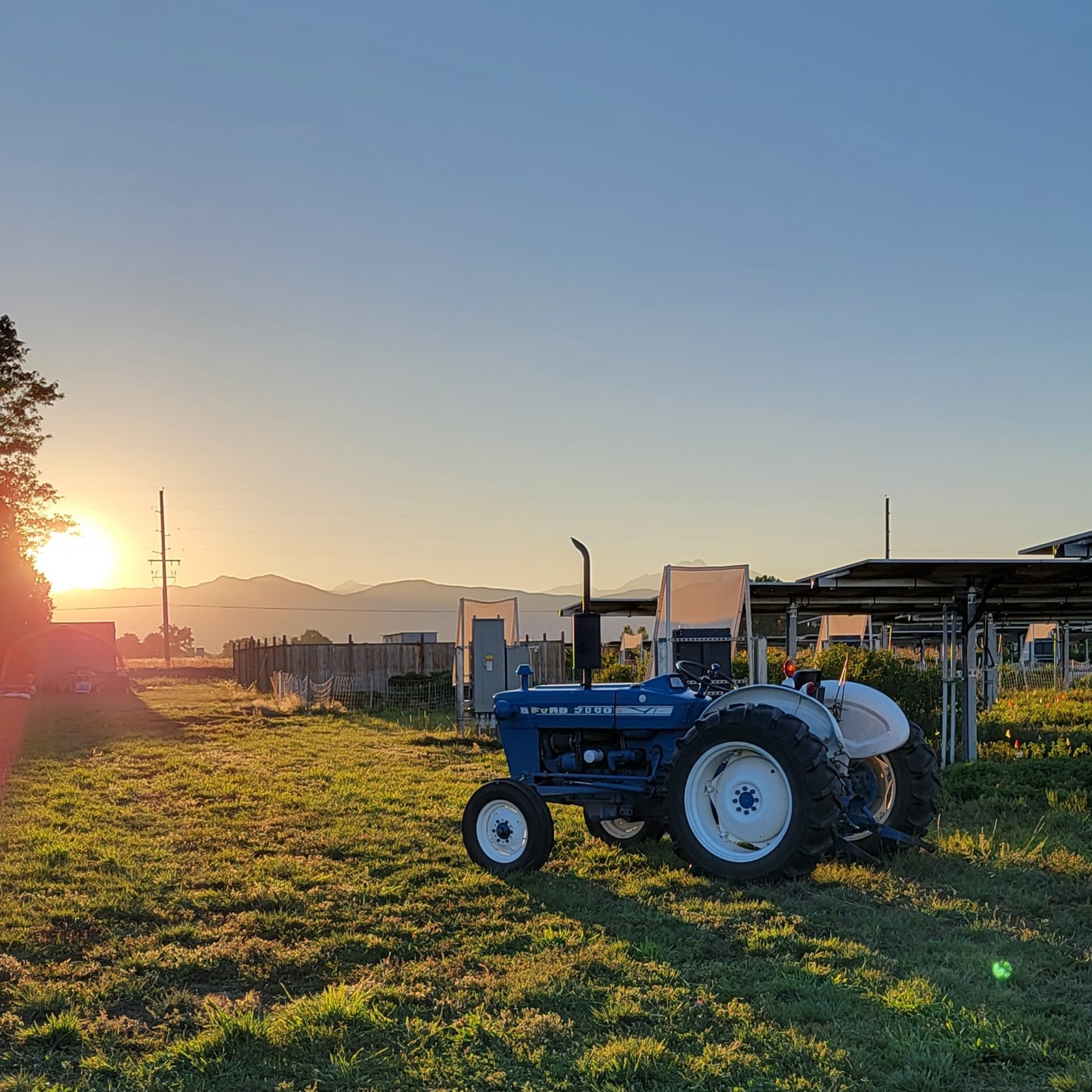
Photo above: The sun sets over the agrivoltaic array at Jack’s Solar Garden during its 2023 annual farm-to-table event; photo taken by author Tyler Swanson in September 2023. |
|
|
|
11th Annual Rich Earth Summit: Reclaiming Urine as a Resource
The Rich Earth Summit, hosted by Rich Earth Institute, is a virtual, global event dedicated to advancing urine reclamation to create sustainable and just nutrient cycles. |
|
|
This gathering brings together researchers, practitioners, and advocates to share knowledge and foster collaboration. Join us at the 11th annual Summit on November 12-14, 2025 — a golden opportunity to explore the transformative power of peecycling. Together, we can pee the change! Learn more and register HERE |
|
|
SUPPORT JAFSCD THROUGH YOUR LIBRARY! |
|
|
| If you are affiliated with a college or university and want to support JAFSCD, now is the time of year when libraries order new journal subscriptions. |
|
|
How do I know if my library already contributes? Check the list here (scroll down on the page).
Isn't JAFSCD open access and free? It is! But we are a community-supported journal. Libraries contribute to become JAFSCD Library Shareholders instead of buying a subscription — keeping JAFSCD free to all instead of buying access just for their faculty and students. Think of us as the CSA of journals!
Considering submitting a manuscript to JAFSCD? If your institution is a JAFSCD Shareholder, you benefit by having our US$750 APC waived automatically.
How do I recommend JAFSCD to my library? Tell your librarian why JAFSCD is important to your work, and send them this link to learn more!
Contact Amy Christian, managing editor, for details or assistance. |
|
|
This email is sent to you as a notification of the newest JAFSCD articles and other occasional JAFSCD news. |
|
JAFSCD is an open access, community-supported journal! Your library, program, or organization can become a shareholder to help keep JAFSCD's content available to all, regardless of their resources. We welcome anyone to become an individual shareholder; donations are tax-deductible to the extent allowed by law.
|
|
|
|