from the Journal of Agriculture, Food Systems, and Community Development |
|
|
JAFSCD is the world’s only community-supported journal. JAFSCD content is open access (free) thanks to the generous support of our shareholders: the JAFSCD Shareholder Consortium, Library Shareholders, a growing number of Individual Shareholders, and our six JAFSCD Partners: |
|
|
Data were collected from three populations who participate in the charity food system (clients, food pantry managers and clients) in order to better understand the challenges they face and how lessons from a food justice framework can help to improve the food charity system.
Creating a more just food charity system would require a significant restructuring of existing networks and would highlight agency and choice—allowing clients to select foods that are fresh, nutritious, and culturally appropriate and to do so at a time and place that is convenient for them. This holistic analysis of the food charity system reveals the differences in perspectives about nutritional food access, equity, and convenience in the food charity system. Our recommendations highlight the ways that food pantries can alter their operations to reduce harm and move the food charity system closer to one that is just, accessible, and provides nutritious food options.
In a new JAFSCD article, Conceptualizing food justice in the food charity system in Prince George's County, Maryland, USA, Boules et al. present findings from a case study that focuses on Prince George’s County, Maryland, and engages with people at each stage of the supply chain: urban growers as producers, food pantries as distributors, and food pantry clients as consumers.
Corresponding author Caroline Boules can be contacted at cboules@umd.edu. KEY FINDINGS -
Small growers face several obstacles in donating their products, mainly related to labor shortages and a lack of time to devote to distribution efforts.
- There are differences in the perspectives of food pantry managers and clients with regard to the nutritiousness of food options.
-
Food pantry clients face significant obstacles in accessing food pantries, including transportation and schedule limitations, lack of knowledge about pantry operating times, and very long wait times to receive food.
RECOMMENDATIONS FOR POLICY, PRACTICE, AND RESEARCH - Food pantries should try to partner more closely with local growers in order to increase the variety of fresh produce available to their clients and to support the local food economy.
- Client choice models are more supportive of client dignity and agency in food pantries.
- Surveying clients regarding their preferred days and times for accessing the food pantry would help pantry managers make distributions times more convenient for clients.
- Surveying clients regarding preferred food types would allow pantries to better meet client needs.
-
Educating clients about healthy eating habits or training on food cultivation could support clients’ agency and self-sufficiency.
SHARE ON YOUR SOCIALS
How can the food charity system be improved by incorporating components of food justice? What improvements do local growers, food pantry managers, and food pantry clients in Prince George’s County, Maryland suggest? Read the full @JAFSCD article for free: https://doi.org/10.5304/jafscd.2025.151.002
#charitization #foodbanks #foodshelves #maryland |
|
|
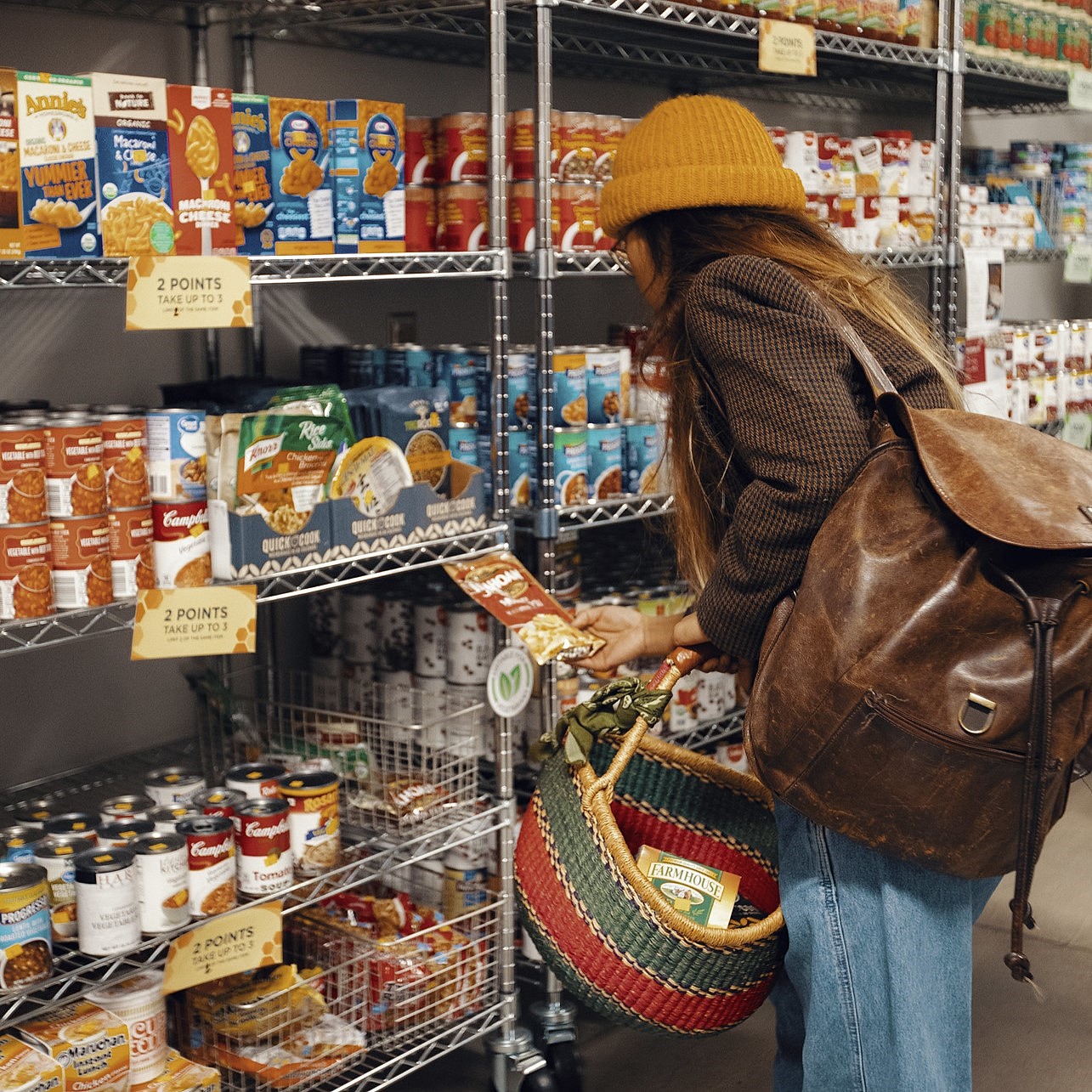
Image above: A client shops for items at the ASI Food Pantry in January 2020. Photo posted on Flickr by Sacramento State/Hrach Avetisyan under CC BY-NC 2.0. |
|
|
|
11th Annual Rich Earth Summit: Reclaiming Urine as a Resource
The Rich Earth Summit, hosted by Rich Earth Institute, is a virtual, global event dedicated to advancing urine reclamation to create sustainable and just nutrient cycles. |
|
|
This gathering brings together researchers, practitioners, and advocates to share knowledge and foster collaboration. Join us at the 11th annual Summit on November 12-14, 2025 — a golden opportunity to explore the transformative power of peecycling. Together, we can pee the change! Learn more and register HERE |
|
|
SUPPORT JAFSCD THROUGH YOUR LIBRARY! |
|
|
| If you are affiliated with a college or university and want to support JAFSCD, now is the time of year when libraries order new journal subscriptions. |
|
|
How do I know if my library already contributes? Check the list here (scroll down on the page).
Isn't JAFSCD open access and free? It is! But we are a community-supported journal. Libraries contribute to become JAFSCD Library Shareholders instead of buying a subscription — keeping JAFSCD free to all instead of buying access just for their faculty and students. Think of us as the CSA of journals!
Considering submitting a manuscript to JAFSCD? If your institution is a JAFSCD Shareholder, you benefit by having our US$750 APC waived automatically.
How do I recommend JAFSCD to my library? Tell your librarian why JAFSCD is important to your work, and send them this link to learn more!
Feel free to contact Amy Christian, managing editor, for details. |
|
|
This email is sent to you as a notification of the newest JAFSCD articles and other occasional JAFSCD news. |
|
JAFSCD is an open access, community-supported journal! Your library, program, or organization can become a shareholder to help keep JAFSCD's content available to all, regardless of their resources. We welcome anyone to become an individual shareholder; donations are tax-deductible to the extent allowed by law.
|
|
|
|