from the Journal of Agriculture, Food Systems, and Community Development |
|
|
JAFSCD is the world’s only community-supported journal. JAFSCD content is open access (free) thanks to the generous support of our shareholders: the JAFSCD Shareholder Consortium, Library Shareholders, a growing number of Individual Shareholders, and our six JAFSCD Partners: |
|
|
|
THE ECONOMIC PAMPHLETEER
The need for radical change in access to farmland
Column by John Ikerd (professor emeritus, U of Missouri, Columbia)
Only 3% of all U.S. farmland is used to produce fruits, vegetables, nuts, and nursery crops. How can more sustainable farmers gain access to land? |
|
|
From John Ikerd's column in the new winter issue:
"Access to affordable farmland was identified as the number one challenge by farmers who responded to a 2020 nationwide survey conducted by the National Young Farmers Coalition. Of those responding, 59% named finding affordable farmland to buy as very or extremely challenging, and 40% found it very or extremely difficult to find land that is available to rent. Farmland prices will decline over time if commodity-based subsidies are phased out, as proposed in my previous column, and as industrial producers are forced to bear the risks inherent in large-scale, specialized production. However, sustainable farmers will need access to land long before farmland prices drop back to levels consistent with sustainable farming.
"In the meantime, land ownership for beginning farmers may be limited to smaller acreages used to produce high-value crops, such as vegetables, fruits, and berries, to be marketed directly to local customers. Profitable farming operations will generate capital for increased land ownership over time. However, management-intensive farms need not be as large as capital-intensive farms to provide an acceptable economic standard of living. Sustainable farming is a desirable way of life rather than a way to accumulate wealth."
SHARE ON YOUR SOCIALS
In the latest Economic Pamphleteer, John Ikerd calls for changes to U.S. land-use policies "that could make farmland more accessible and affordable to more sustainable farmers . . . Only 3% of all U.S. farmland currently in production for fruits, vegetables, nuts, and nursery crops." It's time for a radical re-think. Check out his analysis @JAFSCD, always free, always accessible: https://doi.org/10.5304/jafscd.2025.151.001
|
|
|
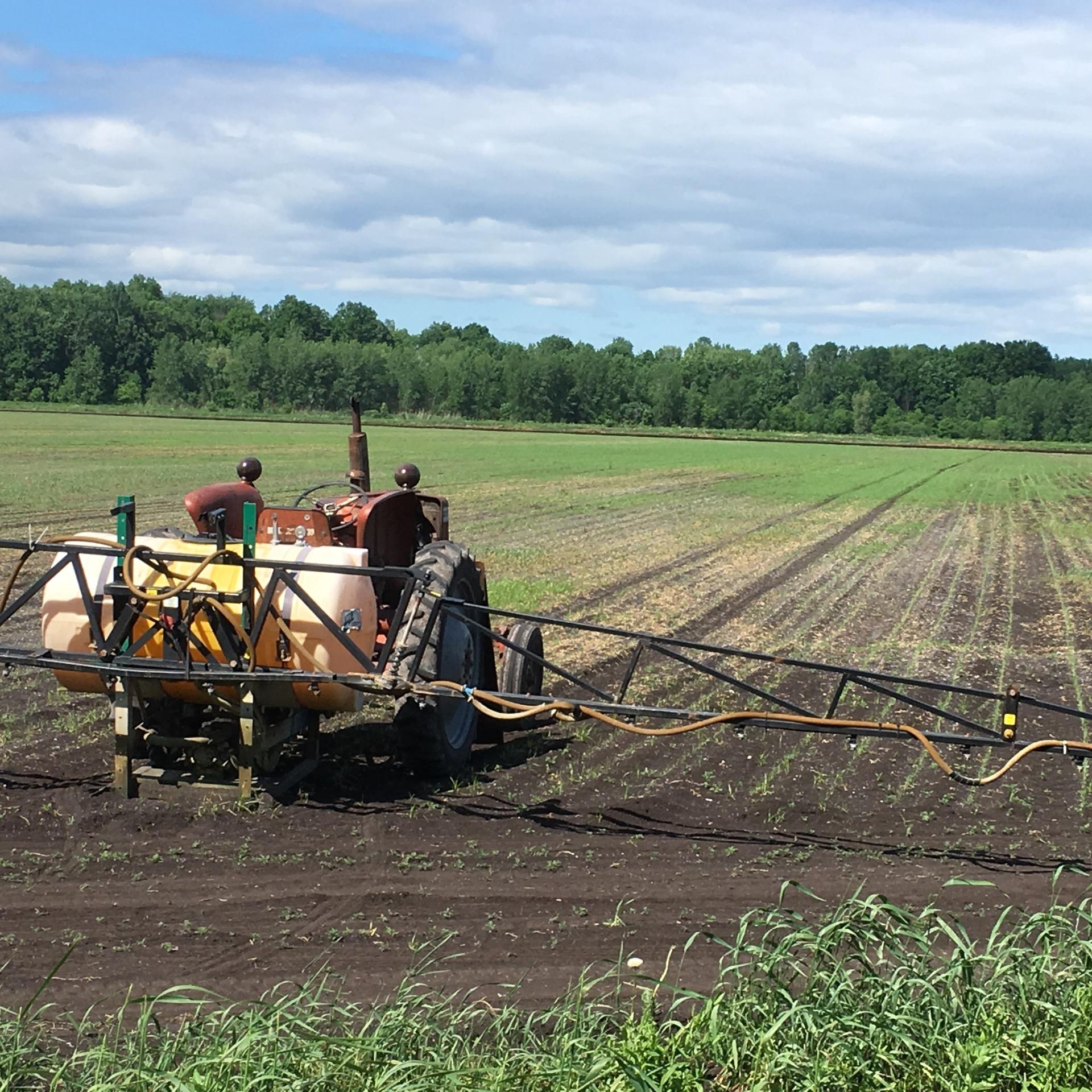
Image above: The "black dirt" region of upstate New York, USA, is a center of cultivation for pungent cooking onions. Photo taken in May 2018 © by Amy Christian. |
|
|
| JAFSCD BOOK REVIEW
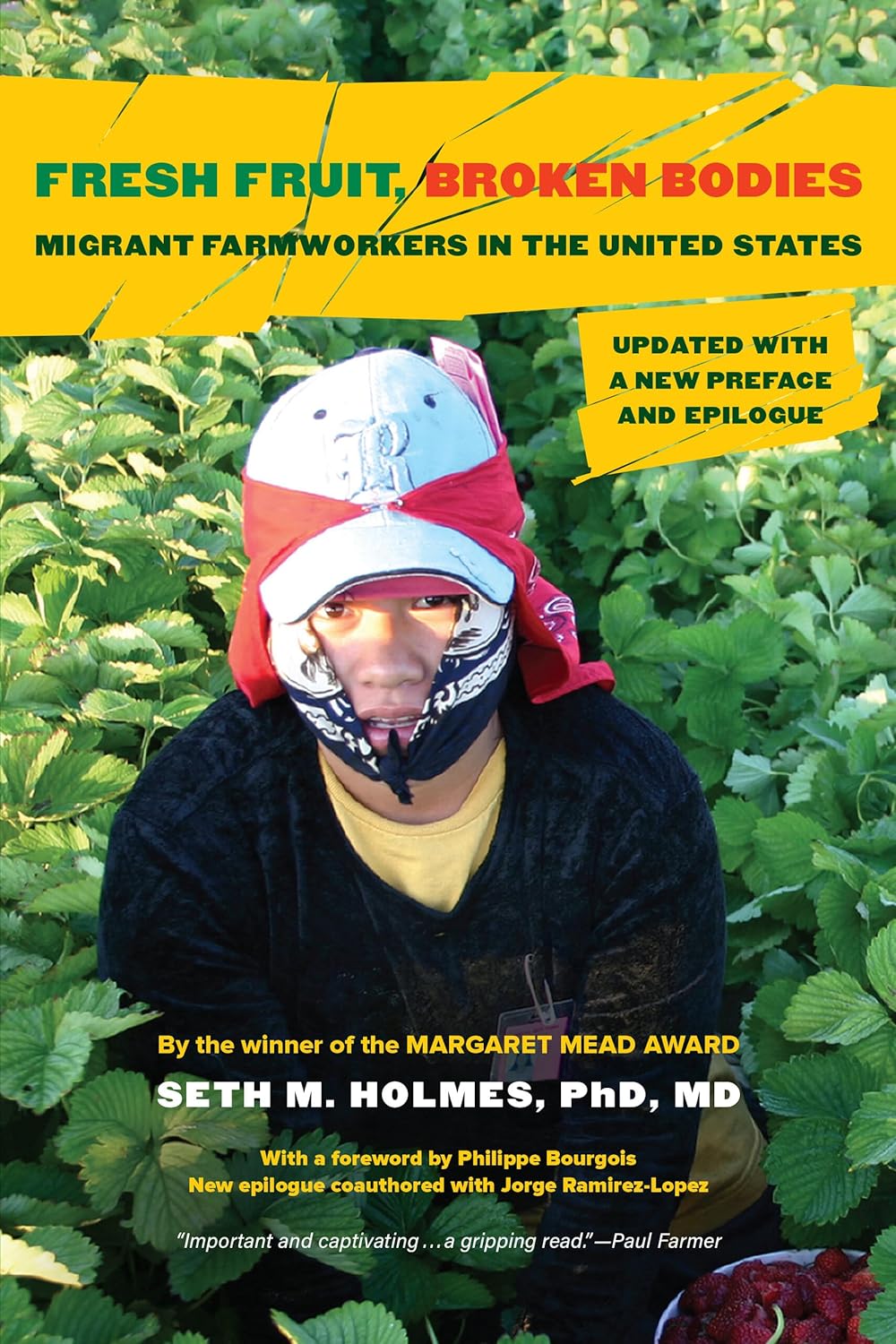
David Fazzino (Commonwealth U of Pennsylvania) reviews Fresh Fruit, Broken Bodies: Migrant Farmworkers in the United States, by Seth M. Holmes.
From the review: "Fresh Fruit, Broken Bodies: Migrant Farmworkers in the United States . . . lays out the hidden costs of superfoods that are widely considered to be health-giving and life-enriching. These high-value, high-nutrition crops feed the bodies of the relatively affluent who can afford to shelter themselves from the environmental harms of living in a toxic world. Holmes delves into an embodied exploration of the suffering and harm enacted upon bodies of Triqui migrant farmworkers, Indigenous People from Western Oaxaca, Mexico, who suffer physical, chemical, and psychological distress to make these foods available to consumers. . . . "
|
|
|
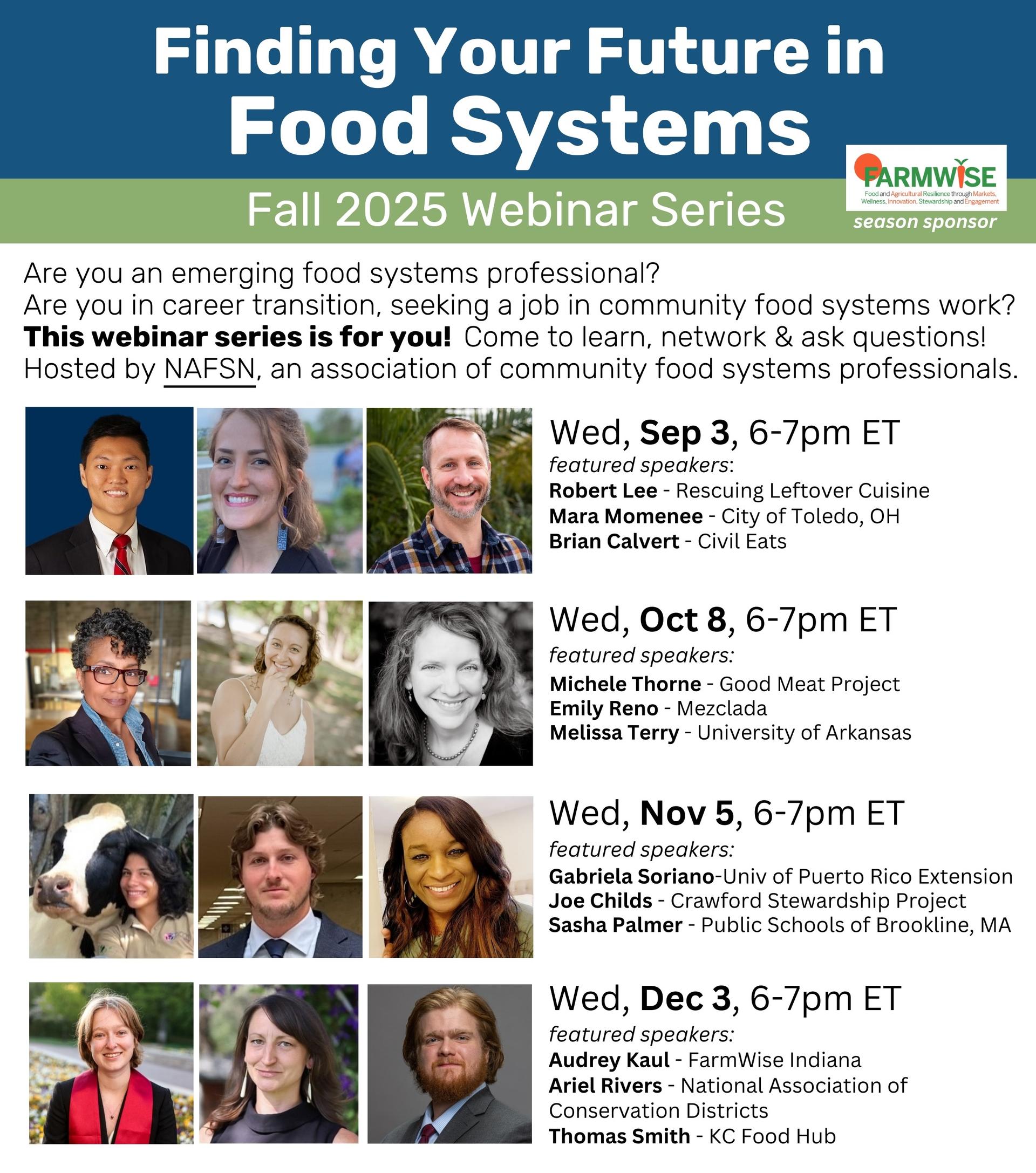
NORTH AMERICAN FOOD SYSTEMS NETWORK (NAFSN) |
|
|
SUPPORT JAFSCD THROUGH YOUR LIBRARY! |
|
|
|
If you are affiliated with a college or university and want to support JAFSCD, now is the time of year when libraries order new journal subscriptions. |
|
|
How do I know if my library already contributes? Check the list here (scroll down on the page).
Isn't JAFSCD open access and free? It is! But we are a community-supported journal. Libraries contribute to become JAFSCD Library Shareholders instead of buying a subscription — keeping JAFSCD free to all instead of buying access just for their faculty and students. Think of us as the CSA of journals!
Considering submitting a manuscript to JAFSCD? If your institution is a JAFSCD Shareholder, you benefit by having our US$750 APC waived automatically.
How do I recommend JAFSCD to my library? Tell your librarian why JAFSCD is important to your work, and send them this link to learn more!
Feel free to contact Amy Christian, managing editor, for details. |
|
|
This email is sent to you as a notification of the newest JAFSCD articles and other occasional JAFSCD news. |
|
JAFSCD is an open access, community-supported journal! Your library, program, or organization can become a shareholder to help keep JAFSCD's content available to all, regardless of their resources. We welcome anyone to become an individual shareholder; donations are tax-deductible to the extent allowed by law.
|
|
|
|